 Tampa Roofing
 Why Ybor City Siding Takes a Harder Hit Than Most
Ybor City sits close enough to Tampa Bay that its buildings deal with a combination most siding was never designed for: relentless subtropical sun, salt-tinged air, heavy seasonal humidity, and the wind-driven rain and occasional hurricane-force gusts that come with living on Florida's Gulf Coast. None of these forces are dramatic on their own, day to day. What wears siding down here is the accumulation — thousands of hours of UV exposure, repeated wetting and drying cycles, and the corrosive effect of salt air on fasteners and finishes, year after year.
Heat and UV Load
Tampa gets sun almost every day of the year, and siding on south- and west-facing walls takes the brunt of it. Cheaper finishes chalk, fade, and go brittle under that kind of exposure. Paint jobs that would last a decade in a milder climate often need touch-ups in half that time here.
Wind-Driven Rain and Storm Season
Hillsborough County sees its share of tropical systems, and even storms that don't make landfall directly can push rain sideways into a wall assembly for hours. Siding that isn't installed with the right clearances, flashing, and fastening pattern can let water behind it long before the material itself fails.
Salt Air and Humidity
Proximity to the bay means a steady low-level exposure to salt in the air, which accelerates corrosion on fasteners, trim, and any exposed metal. Combine that with Tampa's humidity and you get conditions that reward moisture-resistant materials and correct detailing, and punish anything installed to a lower standard.
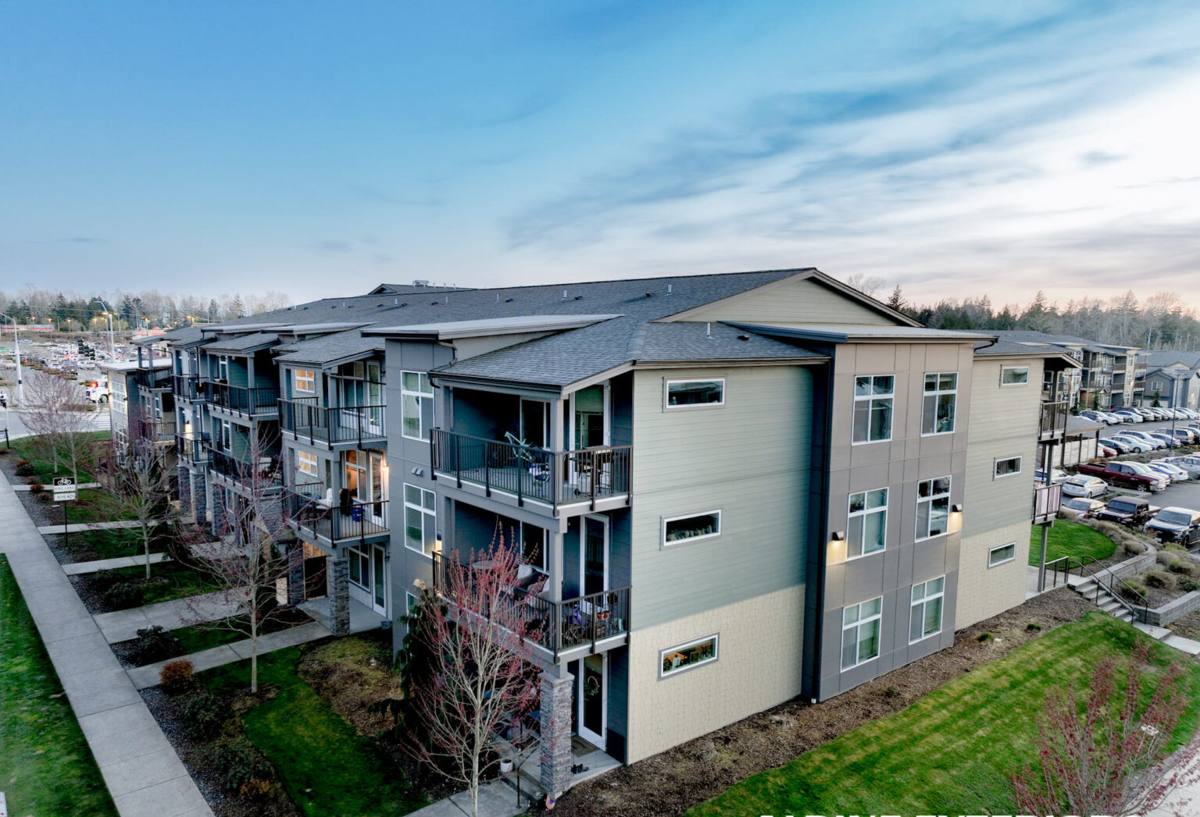
Ybor City's Housing Stock and What That Means for Siding
Ybor City has a mix of older, historic-era homes alongside newer infill construction, and the two present different siding challenges. Older frame homes often have wall assemblies, trim profiles, and clearances that were built to different standards than current code, which means a re-side isn't always a simple strip-and-replace — it can involve addressing old moisture damage, uneven sheathing, or trim details that need to be matched or rebuilt correctly. Newer construction is usually more straightforward, but still benefits from a siding system engineered for a hot, humid, storm-prone coastal climate rather than one designed for a generic national market.
What Fiber Cement Siding Is — and Why We Only Install James Hardie
Fiber cement siding is made from a mix of cement, sand, and cellulose fibers, pressed and cured into planks, panels, or shingles. Unlike vinyl, it doesn't soften or warp in heat, and unlike wood or wood-composite products, it doesn't rely on a surface coating alone to keep moisture out — the material itself is far less susceptible to rot, swelling, and insect damage. It's also non-combustible, which matters to a lot of homeowners regardless of where they live.
We install James Hardie fiber cement exclusively. We don't install vinyl, LP SmartSide, Cemplank, Allura, primed spruce, or cedar siding, and we're upfront about why: we'd rather stand behind one system we know performs correctly in this climate than offer a menu of products with different failure points and different warranty structures.
The HardieZone HZ10 System
James Hardie engineers its products by climate zone, and Tampa falls into the HZ10 zone — formulated for the humidity and moisture exposure typical of the Gulf Coast and Southeast. That's a meaningful distinction from a generic siding product built for one national spec: the formulation and installation guidance account for the fact that a wall in Hillsborough County dries out differently than one in a dry inland climate.
ColorPlus Technology Factory Finish
Most Hardie products we install use a factory-applied ColorPlus finish, cured under controlled conditions rather than painted on-site. It resists fading and chalking better than field-applied paint and carries its own finish warranty, which matters a lot in a market where UV exposure is constant nearly year-round.
Why We Don't Install Other Siding Materials
Vinyl can warp and distort in sustained heat and doesn't offer the same fire performance. Wood and wood-composite products depend heavily on maintenance discipline — any lapse in caulking, painting, or moisture management shows up faster in a climate like this. Other fiber cement brands may perform reasonably well, but we've standardized on one manufacturer, one climate-engineered product line, and one warranty structure so we can install to a single spec we trust completely, rather than splitting our crew's expertise across several systems.
What a Correct Fiber Cement Installation Involves in Hillsborough County
Fiber cement siding is only as good as the installation behind it. A lot of the problems homeowners eventually deal with — streaking, cracking at joints, moisture intrusion — trace back to shortcuts taken during the install, not the material itself.
Moisture Management Behind the Siding
Correct installation starts with a weather-resistive barrier and proper flashing at every window, door, and penetration, so that any moisture that does get past the siding has a path to drain out rather than sit against the sheathing. This step matters more here than in drier climates, given how much wind-driven rain a Gulf Coast wall can see over its lifetime.
Fastening and Clearances for Wind Resistance
Manufacturer specs call for specific fastener types, spacing, and embedment depth, and those specs get stricter for high-wind zones. Hillsborough County's building code reflects Florida's wind-load requirements, and an installer working here regularly should already know the fastening schedule and clearances cold rather than looking them up mid-job.
Joints, Gaps, and Finish Detailing
Fiber cement needs to be cut, gapped, and caulked according to spec — panels installed tight against each other or against trim without the right expansion clearance are a common source of cracking down the line. Cut edges also need to be sealed, since factory finish only protects the face and edges of the board as manufactured.
How Fiber Cement Compares
Homeowners often ask how fiber cement stacks up against the alternatives they see at the big box store or hear about from other contractors. Here's a general, honest comparison based on how these material categories typically perform in a hot, humid, storm-exposed coastal climate:
| Factor | Fiber Cement (James Hardie) | Vinyl Siding | Wood / Engineered Wood |
|---|---|---|---|
| Wind resistance | Rated for high wind zones when installed to spec | Can distort or blow off in sustained high wind | Varies; dependent on fastening and material condition |
| Moisture / rot resistance | High — cement-based, not organic | Doesn't rot, but can trap moisture behind panels | Vulnerable without diligent maintenance |
| UV / color fade resistance | Strong with factory finish (ColorPlus) | Can fade and chalk over time | Depends entirely on paint/stain upkeep |
| Fire classification | Non-combustible | Combustible (plastic-based) | Combustible |
| Typical maintenance | Low — periodic cleaning, occasional caulk check | Low, but repairs can be visibly mismatched | High — regular painting/sealing required |
Our Process for Ybor City Fiber Cement Siding Projects
Assessment and Tear-Off
We start by inspecting the existing siding and the wall assembly behind it — checking for moisture damage, soft sheathing, or trim that needs to be rebuilt rather than reused. On older homes especially, this step often turns up issues that need to be addressed before new siding goes on, not after.
Installation to Manufacturer and Code Spec
We install James Hardie's HZ10 products following the manufacturer's fastening, clearance, and flashing requirements, and to Hillsborough County's wind-load code. That includes correct house wrap, flashing at every penetration, and proper gapping at joints and trim.
Final Walkthrough
Before we consider a job finished, we walk the exterior with the homeowner, check caulking and touch-up paint at cut edges, and confirm everything matches the agreed scope. Siding is one of those projects where the details you don't notice on day one are exactly the ones that cause problems in year five if they're missed.
Signs Your Ybor City Home May Need New Siding
- Visible cracking, buckling, or warping, especially on walls that face west or south
- Soft spots or a spongy feel when you press on the siding near the base of the wall
- Persistent streaking, staining, or a chalky residue that wipes off on your hand
- Peeling or bubbling paint that keeps coming back no matter how often it's redone
- Visible gaps, loose panels, or fasteners backing out around windows and corners
- A musty smell or discoloration on interior walls that share an exterior wall with damaged siding
Why Hire a Crew That Already Works in Ybor City
Siding installed to spec in Ohio isn't necessarily installed to spec for a Tampa home taking on salt air, near-constant UV, and hurricane-season rain. A crew that works this area regularly already knows Hillsborough County's wind-load requirements, the moisture challenges of older Ybor City construction, and the fastening and flashing details that keep a wall assembly dry through a Florida summer. That local familiarity shows up less in the sales pitch and more in the parts of the job a homeowner never sees — the flashing behind a window, the fastener spacing on a wall that takes wind straight off the bay, the gap left at a butt joint so the board doesn't crack the first time it expands in the heat.
If you're weighing a siding replacement or repair in Ybor City, we're glad to take a look and walk you through what your home actually needs — no pressure, no hard sell. A free estimate is a good way to find out where you stand before you decide anything.