 Tampa Roofing
 New Roof Installation Built for Ybor City's Conditions
Ybor City sits close enough to Tampa Bay that its homes take on a mix of challenges most roofing crews only see one or two of at a time: salt-laden air moving in off the water, intense subtropical sun for most of the year, sudden wind-driven downpours, and the real possibility of hurricane-force gusts during storm season. A new roof installed here has to be built to handle all of it at once, not just meet the minimum code requirement. Tampa Roofing Co installs new roofs throughout Hillsborough County, and Ybor City is one of the neighborhoods where we spend enough time to know how local homes age and where roofs typically fail first.
This page focuses specifically on full new roof installation for Ybor City properties — what the climate demands, what a correctly installed roof actually involves, and how we run the job from first call to final inspection.
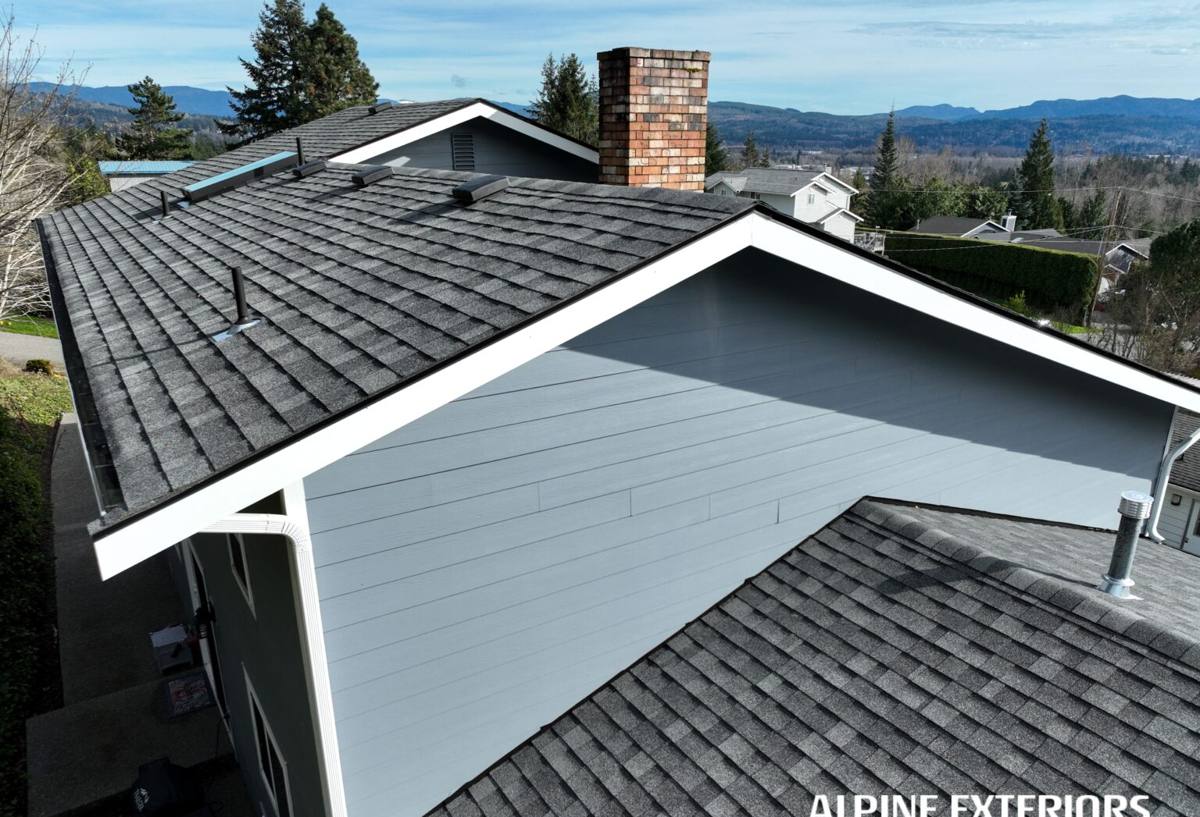
What Ybor City's Climate Does to a Roof Over Time
Every roofing material eventually wears out, but the pace and pattern of that wear-out depends heavily on local conditions. A few factors specific to this part of Tampa matter more than homeowners usually expect:
- Salt air corrosion: Proximity to the bay means fasteners, flashing, and metal roof panels are exposed to airborne salt that accelerates rust and metal fatigue faster than it would inland.
- Year-round UV exposure: Florida's sun breaks down asphalt shingle oils and dries out underlayment faster than in most other states, which shortens the effective service life of lower-grade materials.
- Wind-driven rain: Storms here rarely fall straight down. Rain gets pushed sideways under wind pressure and finds any gap in flashing, underlayment laps, or vent seals.
- Hurricane and tropical storm wind loads: Even homes outside a storm's direct path regularly see sustained winds and gusts strong enough to lift poorly fastened shingles or panels.
- Humidity and heat cycling: Daily heat-up and cool-down cycles, combined with high humidity, stress roofing materials and adhesives differently than a drier climate would.
None of these factors are unique to Ybor City on their own — but the combination, applied to Ybor City's mix of older bungalows, shotgun houses, and newer infill construction, is what shapes our approach to a new roof installation here.
Housing Stock in Ybor City: Why One-Size-Fits-All Doesn't Work
Ybor City has a wide mix of building ages and roof styles compared to newer Tampa subdivisions. Older homes often have roof decking, framing, and ventilation that were never designed around modern wind codes or today's roofing materials. Newer construction and additions may already meet current Florida Building Code wind requirements but still need a compatible roofing system installed correctly to actually deliver on that code rating.
Before we ever talk about shingle color or metal profile, we look at:
- Roof deck condition — plywood or plank decking that may need repair or full replacement before new roofing goes down
- Roof pitch and complexity — steep pitches, multiple valleys, and dormers change ventilation and flashing needs
- Existing ventilation — many older Ybor City homes were built before ridge and soffit venting were standard practice
- Attic insulation and moisture history — signs of past leaks or condensation that point to problems beyond the roof surface itself
A new roof installed over an undiagnosed problem just hides that problem until it resurfaces — often as a leak or premature material failure a few years later.
What a Correct New Roof Installation Actually Includes
"New roof" gets used loosely, but a properly installed roofing system is a stack of layers working together, not just the visible shingles or panels on top. Skipping or under-specifying any layer is where most premature roof failures start, especially in a coastal, high-UV climate like this one.
1. Tear-Off and Deck Inspection
We remove the old roofing material down to the deck rather than installing over it. This lets us inspect the decking directly for rot, delamination, or storm damage that would otherwise be invisible until it becomes a structural problem. Any damaged decking gets replaced before anything new goes on top.
2. Underlayment
Underlayment is the roof's backup waterproofing layer, and in a wind-driven rain climate it matters as much as the visible roofing material. We use underlayment systems suited to Hillsborough County's wind and moisture conditions, with self-adhering waterproof membrane at vulnerable areas like valleys, eaves, and roof-to-wall transitions.
3. Flashing
Flashing directs water away from every roof penetration and transition — chimneys, walls, skylights, vent pipes. Corrosion-resistant flashing matters more here than in a dry inland climate because of salt air exposure, and every flashing detail is installed to shed water in the direction it actually travels during a wind-driven storm, not just straight down.
4. Ventilation
Balanced intake (soffit) and exhaust (ridge or other) ventilation keeps attic temperatures and moisture in check. In Tampa's heat, poor ventilation shortens shingle life from underneath and can trap humidity that leads to wood rot and mold. Many older Ybor City homes need ventilation upgrades as part of a re-roof, not just a straight swap of old material for new.
5. Roofing Material and Fastening
The visible layer — shingles, metal panels, or tile — is installed according to the manufacturer's high-wind fastening specifications, not the minimum standard pattern. In a hurricane-exposed area, fastener count, placement, and type make a measurable difference in wind uplift resistance.
6. Final Details and Cleanup
Ridge caps, drip edge, gutter apron, and pipe boots are finished out, the property is cleared of debris and nails with a magnetic sweep, and the completed roof is inspected against the installation plan before we call the job done.
Material Options for Ybor City Homes
There's no single "best" roofing material for every Ybor City property — the right choice depends on the home's structure, budget, and how long the owner plans to stay. Here's an honest comparison of the main options we install in this climate:
| Material | Typical Lifespan | Coastal/Wind Considerations | Maintenance |
|---|---|---|---|
| Architectural asphalt shingles | 20–30 years | Good wind ratings available; UV-resistant granules matter for Florida sun | Low; periodic inspection |
| Standing seam metal | 40–60 years | Excellent wind performance when properly fastened; needs corrosion-resistant fasteners near the bay | Very low |
| Concrete or clay tile | 40–50+ years | Heavy — requires adequate structural framing; performs well in wind when correctly fastened | Low, but individual tiles can crack from impact |
| 3-tab asphalt shingles | 15–20 years | Lower wind rating than architectural shingles; we generally don't recommend these for storm-exposed Tampa properties | Low |
We don't install the lowest-tier products as a matter of professional standard — not because they're unsafe in every application, but because the maintenance burden and shorter service life they carry don't hold up well against Ybor City's wind and sun exposure, and we'd rather install something that performs for the long haul.
Cost Factors for a New Roof in This Area
Every roof is priced individually after an on-site inspection, but the main variables that move the number are consistent. Rather than quote a broad range that doesn't mean much without context, here's what actually drives cost on a Ybor City job:
| Factor | Why It Matters |
|---|---|
| Roof size and pitch | More square footage and steeper pitches mean more material and labor time |
| Deck condition | Rotted or damaged decking discovered during tear-off adds material and labor |
| Material choice | Asphalt, metal, and tile have significantly different material and installation costs |
| Roof complexity | Valleys, dormers, chimneys, and skylights all add flashing work and labor time |
| Ventilation upgrades | Older homes may need added or corrected ventilation as part of the job |
| Wind mitigation features | Enhanced fastening and underlayment for wind resistance can affect both cost and insurance premiums |
We provide a written, itemized estimate before any work begins so there are no surprises once the tear-off starts.
Our Process, Start to Finish
- On-site inspection: We walk the roof and attic, check the decking where accessible, and document the current condition with photos.
- Written estimate: You get a clear, itemized proposal covering material, labor, and any anticipated deck or ventilation work.
- Material selection: We walk through the tradeoffs between shingle, metal, and tile options based on your home, budget, and how long you plan to own it.
- Permitting: We pull the required Hillsborough County/City of Tampa permits before work begins — this isn't optional and it protects you if there's ever an insurance question down the line.
- Tear-off and deck inspection: Old material comes off, decking is inspected and repaired as needed.
- Installation: Underlayment, flashing, ventilation, and the finish material go in following manufacturer wind-rated specifications.
- Final inspection and cleanup: We do our own quality check, coordinate any required municipal inspection, and do a full site and yard cleanup including a magnetic nail sweep.
- Warranty paperwork: You receive documentation for both material and workmanship warranties.
Why It Matters to Hire a Crew That Already Works Ybor City
A roofing crew that regularly works in Ybor City brings a few practical advantages that a contractor unfamiliar with the area can't match on day one:
- Familiarity with the age and construction style of the local housing stock, including common deck and framing conditions in older homes
- Working knowledge of Hillsborough County and City of Tampa permitting requirements and inspection expectations
- Experience specifying materials and fastening patterns that actually hold up to this area's wind and salt air exposure, not just generic code minimums
- Established supplier relationships that keep material lead times predictable
- A reputation in the neighborhood — we're not looking to do one job and move to another state; we're here for the next call, the next referral, and the next storm season
That local track record matters just as much for the years after installation as it does on installation day — if a warranty question or storm-damage claim comes up later, you're dealing with a contractor who's still working in your neighborhood, not one who's moved on.
Signs Your Ybor City Home May Need a New Roof Soon
A few practical warning signs worth watching for, especially given how hard this climate is on roofing materials:
- Shingles that are curling, cupping, or losing significant granules
- Visible sagging anywhere along the roofline
- Daylight visible through the attic roof boards
- Frequent or recurring leaks, even small ones, after heavy rain
- Rusted or deteriorating flashing around chimneys, vents, or walls
- A roof that's approaching or past its material's expected service life
- Visible storm damage after a significant wind event
Catching these signs early usually means the difference between a planned roof replacement and an emergency one during storm season.
If you're weighing a new roof for your Ybor City home, we're glad to take a look and give you a straight answer about condition, options, and cost — no pressure, no obligation. Fill out the form below to schedule a free estimate.