 Tampa Roofing
 Why Ybor City Roofs Wear Out the Way They Do
Ybor City sits close enough to Tampa Bay that salt-laden air is a constant factor, and it sees the same summer heat load and storm exposure as the rest of Hillsborough County. That combination is harder on a roof than most homeowners realize. Intense, near year-round UV breaks down asphalt shingles and dries out underlayment from the top down. Wind-driven rain during Gulf storms doesn't just fall straight down — it gets pushed sideways under shingle tabs, around flashing, and into any gap that a fastener or a lifted edge leaves open. Add hurricane-force wind gusts to that mix, and a roof that looks fine from the street can already have compromised seals, cracked sealant lines, or nail heads working loose underneath.
Salt air adds a slower, quieter kind of wear. It accelerates corrosion on exposed metal — flashing, drip edge, fasteners, vent boots — well before the shingles themselves are due for replacement. A roof in this neighborhood ages differently than the same roof would inland, and a replacement plan that doesn't account for that is planning for the wrong climate.
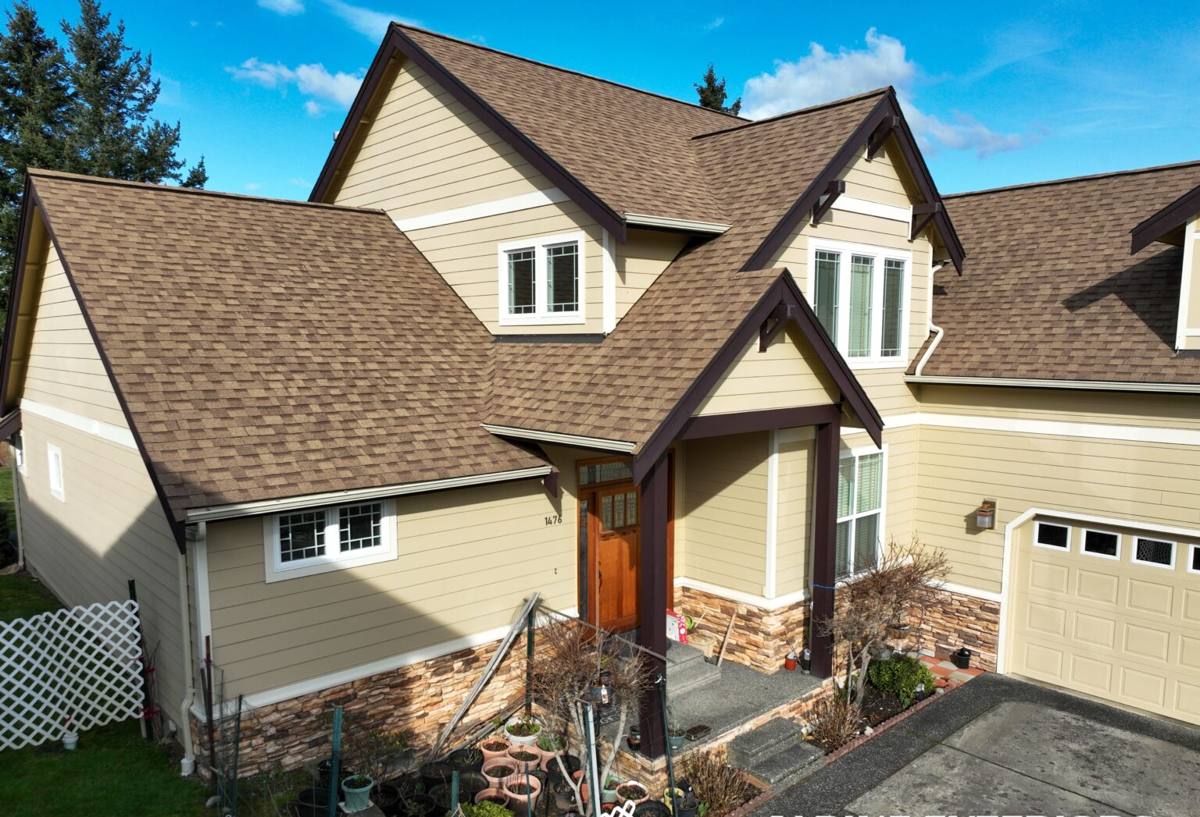
The Housing Stock in Ybor City Is Part of the Equation
Ybor City's homes tend to be older than a lot of newer Tampa subdivisions — a mix of historic bungalows, shotgun-style houses, and smaller frame homes, many with roof lines, pitches, and framing details that don't match modern production housing. That matters for a roof replacement in a few practical ways:
- Roof decking on older homes is more likely to have soft spots, undersized lumber, or spacing that doesn't meet current code — issues that only show up once the old roofing is stripped off.
- Ventilation was often an afterthought decades ago, and inadequate attic airflow accelerates shingle aging from underneath, even on a roof that's only a few years old.
- Some homes fall within a designated historic district, which can affect what exterior changes are allowed and may require a review step before work begins.
- Additions, dormers, and re-roofs layered on over the years sometimes leave transitions and valleys that were never flashed correctly the first time.
None of this means an older Ybor City home is a problem to work around — it just means a contractor needs to actually look at the structure, not just quote off a satellite photo.
Signs Your Roof Is Telling You It's Time
Roof replacement isn't usually an emergency decision — it's the right call after enough small signs add up. Before scheduling anything, it's worth checking for:
- Shingles that are curling, cracking, or missing granules in patches, especially on south- and west-facing slopes that take the most UV exposure
- Dark streaking, moss, or persistent damp patches on the roof surface
- Soft or sagging spots when walked on, or visible dips from the ground
- Daylight, water stains, or a musty smell in the attic
- Granules collecting in gutters or at downspout outlets
- Rusted, lifted, or missing flashing around chimneys, vents, or roof-to-wall transitions
- A roof that's 18-25+ years old for asphalt shingle, or has taken a direct hit from a recent storm
Any one of these on its own might just call for a repair. Several at once, or an attic inspection that shows deck damage, usually means repair costs start approaching replacement cost anyway.
What a Correct Roof Replacement Actually Involves
A roof replacement done right is a sequence of steps, and skipping or rushing any one of them is where most future leaks start.
Full Tear-Off, Not a Layover
Old roofing comes off completely so the deck can be inspected directly — not covered over with a second layer on top. Layering saves a day of labor and creates problems for years afterward, especially in a climate where trapped moisture and heat have nowhere to go.
Deck Inspection and Repair
Every section of decking gets checked for soft spots, delamination, or rot, particularly around old vent penetrations and valleys where water has had the most opportunity to get in over the years. Damaged sections get replaced before anything new goes down — not patched over.
Underlayment and Water Barrier
A high-quality synthetic underlayment, with self-adhering waterproof membrane at eaves, valleys, and any low-slope transitions, gives the roof a second line of defense if wind-driven rain gets past the shingles — which, in this climate, it eventually will at some point.
Flashing and Metal Details
New flashing at chimneys, walls, and roof-to-wall intersections, plus corrosion-resistant fasteners and drip edge, matters more here than in a low-salt inland market. Reusing old flashing to save cost is one of the more common shortcuts that shows up as a leak within a couple of years.
Ventilation
Balanced intake and exhaust ventilation keeps attic temperatures and moisture in check, which extends shingle life and helps prevent the kind of heat buildup that's common under Tampa's summer sun.
Wind-Rated Installation
Fastening patterns, shingle sealing, and starter strip installation all need to meet the wind-rating the material is designed for — and be installed to current Florida Building Code wind requirements for this region, not just manufacturer minimums.
Comparing Roofing Materials for This Climate
There's no single "best" material for every Ybor City home — it depends on the roof's pitch, the home's style, and the budget. Here's how the common options stack up against local conditions:
| Material | Wind Performance | Salt Air / Corrosion | Typical Lifespan | Best Fit |
|---|---|---|---|---|
| Architectural asphalt shingle | Good, with proper fastening and sealing | Moderate — metal components need corrosion-resistant hardware | 20-30 years | Most single-family homes; balances cost and performance |
| Standing seam metal | Excellent when properly fastened | Good with coated/marine-grade finishes | 40-60 years | Homeowners planning to stay long-term or wanting lower maintenance |
| Concrete or clay tile | Very good, heavier and wind-tested when installed correctly | Good — tile itself doesn't corrode | 40-50+ years | Homes where the roof structure can support the added weight |
| 3-tab asphalt shingle | Lower wind rating than architectural shingles | Same hardware concerns as architectural | 15-20 years | Budget-driven projects; we're upfront that it's a shorter-term choice here |
We steer most Ybor City clients away from 3-tab shingle and toward architectural shingle, metal, or tile — not because 3-tab is a bad product everywhere, but because its wind rating and shorter service life make it a weaker match for this specific exposure. That's a professional recommendation based on trade-offs, not a knock on any manufacturer.
Permits and Historic District Considerations
Roof replacement in Tampa requires a permit through the city, and the work has to be inspected against current Florida Building Code wind and construction standards for Hillsborough County. If a home falls within a locally designated historic district, there can be an additional review step for visible exterior changes — this is worth checking early, before materials are ordered, so it doesn't turn into a delay mid-project. A contractor who's pulled permits and worked through this process in the neighborhood before knows which steps to line up in advance instead of discovering them halfway through the job.
Our Roof Replacement Process
We keep the process straightforward, and every step is explained before it happens — not after.
- On-site inspection: we get on the roof and in the attic, not just on a ladder from the driveway, and document what we find.
- Written estimate: material options, scope, and pricing laid out clearly, with the trade-offs explained in plain terms.
- Permitting: we handle the permit application and any historic district review that applies before work starts.
- Material delivery and site prep: protecting landscaping, driveways, and pool areas before tear-off begins.
- Tear-off and deck inspection: full removal, with photos of any deck damage found before repairs are made.
- Installation: underlayment, flashing, ventilation, and final roofing material installed to spec.
- Cleanup and magnetic nail sweep: job site cleared of debris and stray fasteners.
- Final inspection and walkthrough: city inspection scheduled, and we walk the finished roof with you.
What Roof Replacement Typically Costs
Every roof is different, but the main cost drivers are consistent. Getting a firm number requires an on-site look, but this is generally what moves the price:
| Cost Factor | Why It Matters |
|---|---|
| Roof size and number of stories | More square footage and steeper access both add labor time |
| Roof pitch and complexity | Multiple valleys, dormers, or roof-to-wall transitions take more flashing and labor than a simple gable roof |
| Existing deck condition | Older homes more often need deck repair or replacement discovered during tear-off |
| Material choice | Asphalt shingle, metal, and tile carry different material and labor costs, as shown above |
| Layers being removed | Removing multiple old layers of roofing adds disposal and labor cost |
| Historic district review | May add time to the permitting timeline, though not typically to labor cost |
Why Hiring a Crew That Already Works This Neighborhood Matters
A roofing crew that's already replaced roofs on Ybor City's older homes has seen the deck conditions, the framing quirks, and the permitting steps specific to this area — they're not learning them for the first time on your project. That familiarity shows up in fewer surprises mid-job, a smoother permit and inspection process, and a crew that knows how to size up an older roof structure accurately from the first walk-through. It also means faster response if a storm comes through and you need someone who already knows the neighborhood, rather than waiting in line behind homeowners across the wider Tampa Bay area.
If your roof is showing its age or you're weighing your options after storm damage, we're happy to take a look and give you an honest read on where things stand — no pressure, no hard sell. Fill out the form below to schedule a free estimate.