 Tampa Roofing
 Ybor City's Homes Need Siding That Can Take a Beating
Ybor City is one of the older, more architecturally distinct neighborhoods in Hillsborough County, and that history comes with a trade-off: a lot of the housing stock is decades old, sitting close to the street, close to neighbors, and close enough to Tampa Bay that salt-laden air is a constant presence in the exterior building materials here. Add in Tampa's hurricane-season wind loads, wind-driven rain that finds its way behind loose or poorly flashed siding, and some of the most intense year-round UV exposure in the continental United States, and you have a climate that is genuinely hard on exterior materials — not just cosmetically, but structurally.
Board and batten siding — vertical wide boards with narrow battens covering the seams — has deep roots in the kind of vernacular and craftsman-style architecture you still see around Ybor City and the surrounding historic core of Tampa. Done right, in the right material, it holds that look for decades. Done wrong, or in the wrong material, it becomes a moisture trap and a maintenance headache within a few years. This page is about doing it right, specifically for homes in this neighborhood.
What Board & Batten Siding Actually Is
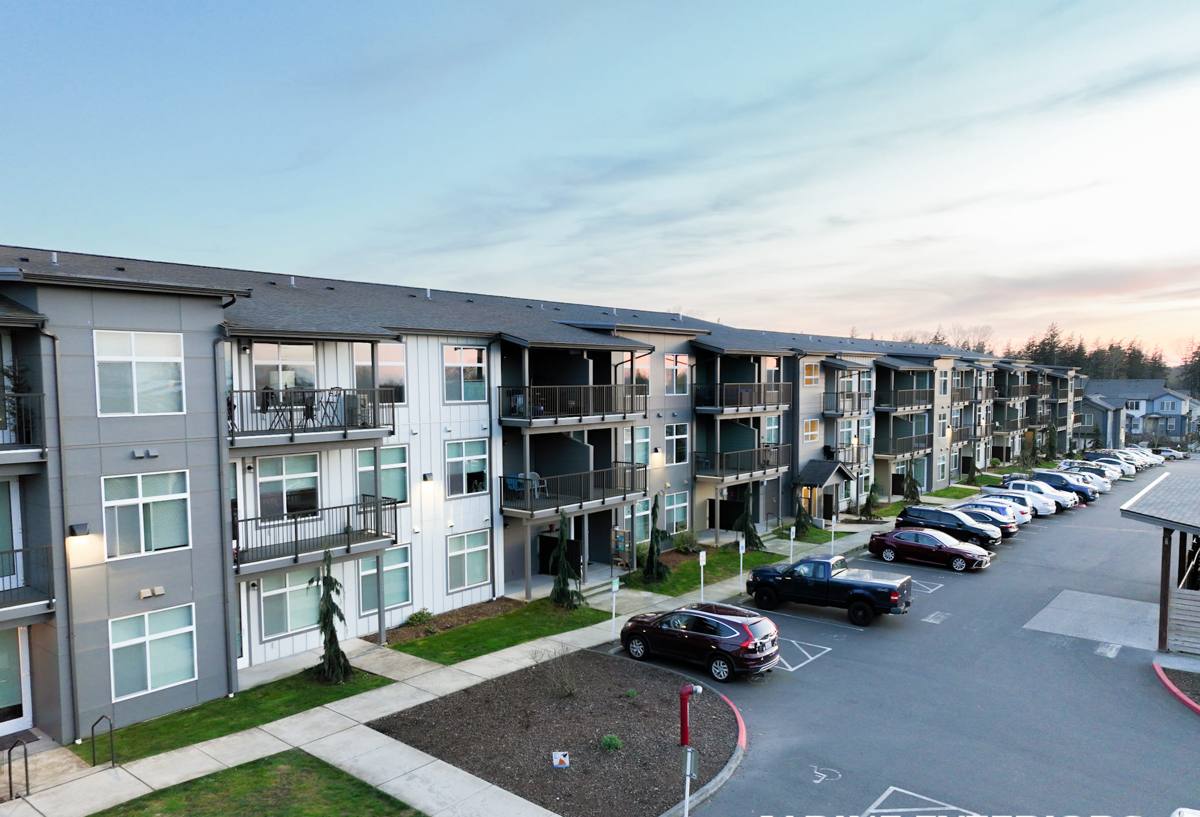
Board and batten is a vertical siding pattern: wide flat panels or boards installed with their long edge running up and down the wall, with narrower strips (the battens) fastened over each seam to cover the joint and shed water. It's an old pattern — you'll see it on farmhouses, bungalows, and cottage-style homes across the country — but it's also become popular again on modern and modern-farmhouse builds, which means it fits both the historic character found in parts of Ybor City and the more contemporary renovations and infill homes going up nearby.
The look is simple and clean: strong vertical lines, a shadow line at every batten, and a facade that reads as substantial rather than flat. It pairs well with gable accents, porch surrounds, and dormers, which is part of why it shows up so often as an accent material even on homes that are primarily lap-sided.
Why the Material Choice Matters More Here Than Elsewhere
Board and batten's vertical seams and larger flat panel faces mean more surface area exposed to sun and more linear feet of seam exposed to wind-driven rain compared to standard horizontal lap siding. In a coastal, high-UV, hurricane-exposed market like Tampa, that makes the underlying material even more important than it would be in a milder climate. A board that swells, cups, or delaminates along those seams doesn't just look bad — it opens a path for water behind the cladding.
Why We Install Only James Hardie Fiber Cement for This Application
We do not install vinyl board and batten, LP SmartSide, Cemplank, Allura, or primed wood board and batten (spruce or cedar) on any home we work on, including here in Ybor City. That's a deliberate standard, not a sales pitch, and it's worth explaining honestly.
- Vinyl is affordable and low-maintenance, but it expands and contracts significantly with Tampa's heat swings, and in high wind events it's the siding type most prone to cracking or blowing off entirely — a real concern given the hurricane exposure this neighborhood sees.
- Wood board and batten (cedar or primed spruce) gives you the most authentic historic look, but it's also the most maintenance-intensive: repainting, caulking, and moisture monitoring on a regular cycle, and it's the most vulnerable to rot in a humid, salt-air climate if that maintenance slips even one season.
- Engineered wood products like LP SmartSide resist some of wood's weaknesses but are still an engineered wood substrate, meaning edge and cut-end moisture exposure remains a real installation-sensitivity issue in a wind-driven-rain climate.
- Other fiber cement brands (Cemplank, Allura) are legitimate fiber cement products, but we've standardized our crews, our fastening specs, and our warranty backing on one system rather than mixing installation standards across brands.
James Hardie fiber cement is non-combustible, dimensionally stable in heat and humidity, and available in HZ5 formulation engineered specifically for high-humidity, high-moisture climates like ours. The factory-applied ColorPlus finish is baked on and warranted against fading — which matters enormously under Tampa's UV load — rather than relying on a field-applied paint job that will need attention again in a few years.
What a Correct Board & Batten Installation Involves
Board and batten looks simple, but it's one of the easier siding profiles to install poorly and have it look fine for the first year before problems show up. The details that matter:
Drainage Plane and Furring
Vertical siding needs a drainage gap behind it so any incidental moisture that gets past the outer layer can run down and out instead of sitting against the wall sheathing. That typically means vertical furring strips or a purpose-built rainscreen product installed over a code-compliant water-resistive barrier, not boards fastened flat against house wrap.
Fastening and Batten Layout
Batten spacing has to be planned before the first board goes up — not adjusted on the fly — so seams line up, window and door casings receive proper trim, and fastener patterns hit framing or furring consistently. In a hurricane-wind market, fastener type, spacing, and embedment aren't optional details; they're what keeps the wall covering attached in a storm.
Flashing at Penetrations
Every window, vent, hose bib, and light fixture penetrating the wall is a place water will try to get behind the siding during wind-driven rain. Correct flashing and sealant detailing at each of these is what separates a job that survives ten hurricane seasons from one that starts showing stains at year three.
Cut-Edge Sealing
Every field cut on fiber cement board needs sealed edges before installation. Skipping this is invisible on installation day and shows up as edge deterioration years later — it's one of the most common corners cut by crews unfamiliar with the material.
How Board & Batten Compares to Other Siding Approaches for This Neighborhood
| Factor | Hardie Board & Batten | Vinyl Board & Batten | Wood Board & Batten |
|---|---|---|---|
| Hurricane wind performance | Strong when fastened to spec | Weakest — prone to cracking/blow-off | Adequate if fastened well, but boards can warp over time |
| Salt air / coastal exposure | Non-corrosive, stable | Stable but can chalk/fade | Vulnerable to moisture-driven rot |
| UV / color retention | Factory ColorPlus finish, long warranty | Fades over time, cannot repaint easily | Requires repainting on a set cycle |
| Maintenance burden | Low — wash and inspect caulking | Very low but limited repair options | High — regular paint, caulk, moisture checks |
| Fit with historic-style Ybor City homes | Matches traditional profiles closely | Visually flatter, less authentic shadow line | Most historically authentic look |
Historic Character and Exterior Changes
Parts of Ybor City fall within a recognized historic district, and depending on exactly where a property sits, there can be guidelines around exterior appearance changes that go beyond standard Hillsborough County permitting. We don't guess on this — if your property is in a designated historic area, we'll flag it early and help you understand what documentation or approval process applies before material selection is finalized, rather than surprising you after the boards are ordered.
Our Process for Ybor City Board & Batten Projects
- On-site assessment — we look at existing wall condition, moisture history, current siding material, and any historic-district considerations specific to the address.
- Material and profile plan — batten spacing, trim details, and HZ5 board selection matched to sun exposure and wall orientation.
- Tear-off and wall prep — removal of failing material, sheathing repair where needed, and correction of any existing moisture damage before new siding goes up.
- Drainage plane and furring installation — the unglamorous step that determines whether the job lasts.
- Board, batten, and trim installation — to manufacturer fastening spec, with sealed cut edges and proper flashing at every penetration.
- Final inspection and cleanup — walk-through so you understand what was done and what maintenance, if any, is expected going forward.
Why Hiring a Crew That Already Works This Neighborhood Matters
A lot of exterior problems in Ybor City trace back not to bad materials but to installation that wasn't adjusted for the neighborhood's specific mix of older wall assemblies, tight lot lines, and coastal wind exposure. A crew that regularly works this part of Hillsborough County already knows what to expect when they open up an older wall, how to sequence work around close neighboring structures, and how local wind exposure should shape fastening decisions — none of which shows up in a generic install checklist.
Questions Worth Asking Before You Hire
- Do you install a drainage plane or rainscreen behind board and batten, or fasten directly to the wall?
- What fastener spec and embedment do you use for our wind zone?
- How do you handle cut-edge sealing on every field cut?
- What's your plan for flashing around existing windows and penetrations?
- Do you know if this property falls inside a historic review area?
- What does the manufacturer warranty actually cover, and does it transfer if the home is sold?
What This Costs to Get Right
| Cost Factor | Why It Moves the Price |
|---|---|
| Wall condition underneath old siding | Rot or sheathing damage found during tear-off adds repair scope |
| Amount of trim and penetration detailing | More windows, vents, and corners means more flashing labor |
| Full replacement vs. accent application | Whole-house board and batten costs more than gable or porch accents |
| Drainage plane / furring system | Proper rainscreen installation adds labor but is not optional in this climate |
| Historic district review | May add time for documentation but shouldn't change the material recommendation |
We won't give you a number over the phone before we've seen the wall — anyone who does is guessing, and guessing on a hurricane-exposed exterior isn't a good place to cut corners.
If you're weighing board and batten for a home in Ybor City, we're happy to come take a look, walk the exterior with you, and put together a straightforward, no-pressure estimate based on what your walls actually need. There's a form right below this section — reach out and we'll get a time on the calendar.