 Tampa Roofing
 Why Board & Batten Fits So Many Carrollwood Homes
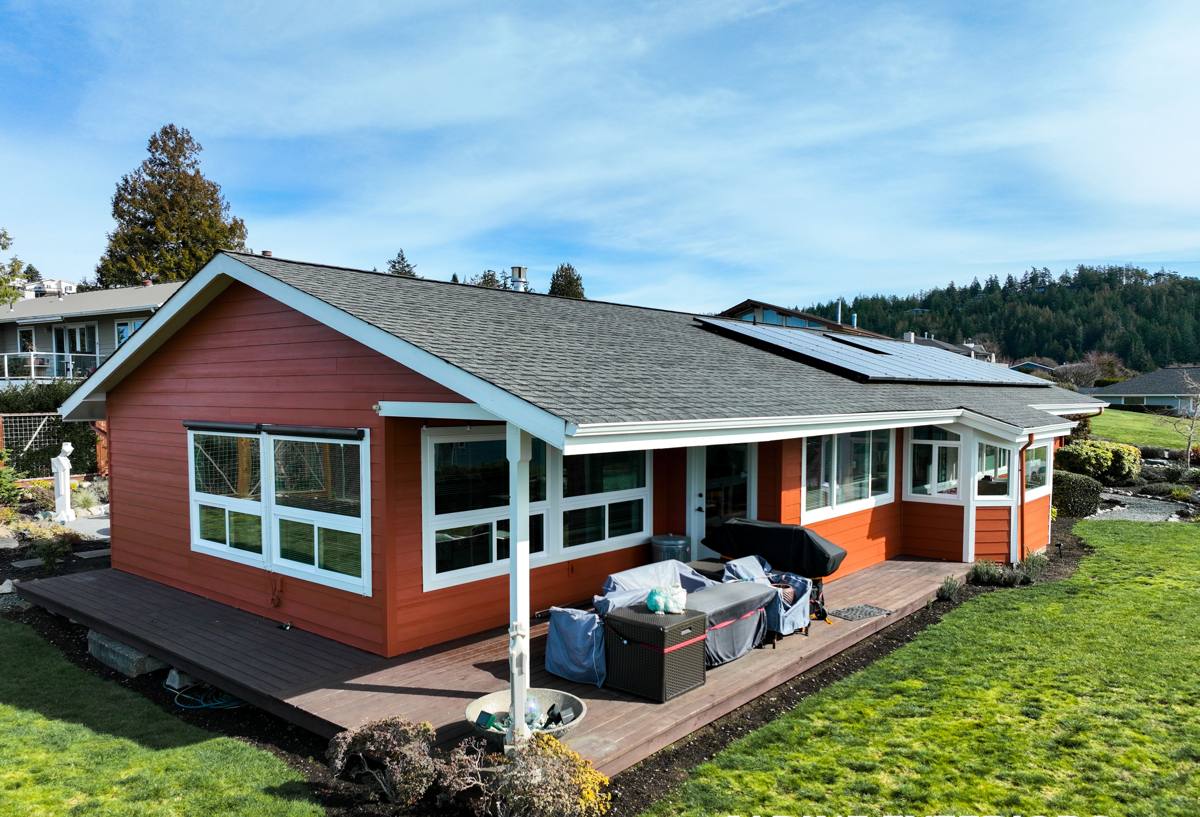
Carrollwood's neighborhoods, developed largely from the 1960s through the 1980s around Lake Carroll and the surrounding chain of lakes, are full of ranch and split-level homes with the kind of simple, low-slung rooflines that board and batten siding was practically made for. The vertical lines add height and architectural interest to a flat facade, and the style works equally well on a straightforward mid-century ranch, a garage or gable accent, or a newer build going for a modern farmhouse look. It's one of the most requested exterior upgrades we see in this part of Hillsborough County, and for good reason — done correctly, it changes the whole character of a house without changing its footprint.
But "done correctly" is the operative phrase. Board and batten looks simple — vertical boards with narrow strips (battens) covering the seams — but the exposed seams, the vertical water paths, and the flat panel faces make it less forgiving of shortcuts than lap siding. In a climate like Tampa's, those shortcuts show up fast.
What Tampa's Climate Actually Does to Vertical Siding
Hillsborough County sits in one of the more demanding exterior-materials environments in the country, and Carrollwood gets all of it:
Heat and UV
Tampa sees intense, direct sun essentially year-round. Painted wood and some composite products chalk, fade, and become brittle under that kind of sustained UV exposure. Battens and board faces — because they sit flat and take direct sun for most of the day — are usually the first place a lesser product shows its age.
Wind-Driven Rain and Hurricane Exposure
This is a hurricane-exposed county. Even outside of a named storm, Tampa's summer thunderstorm pattern regularly drives rain sideways into exterior walls. Board and batten has more vertical seams per square foot than lap siding, and every one of those seams is a potential water path if the flashing and fastening underneath weren't installed correctly. In a direct hurricane hit, siding that isn't rated and installed for wind load can fail outright.
Humidity and Moisture Cycling
Florida's humidity means siding rarely gets a chance to fully dry out between rain events. Materials that absorb moisture — or that trap it behind the wall assembly — are prone to swelling, cupping, and rot in exactly the kind of long, humid stretches Carrollwood sees from late spring through early fall.
Salt Air
Carrollwood is inland relative to the immediate coastline, but Tampa Bay's salt air still reaches this far in, especially on onshore-wind days. Salt exposure accelerates corrosion on fasteners and trim hardware, which is why fastener choice matters as much as the siding material itself.
What a Correct Board & Batten Job Actually Involves
The visual result of board and batten is simple, but the assembly behind it is not. A correct installation includes:
- A proper water-resistive barrier installed and lapped correctly behind the siding, not just stapled up as an afterthought.
- Rainscreen or furring strips in many applications, creating a drainage gap so any moisture that does get behind the boards can drain and the wall can dry.
- Flashing at every horizontal transition — window heads, doors, roof lines, and the bottom termination — because water runs down and finds the first opening it can.
- Correct fastener type, spacing, and penetration depth into structural framing, not just into sheathing.
- Batten placement over solid backing, with expansion gaps sized to the manufacturer's spec so the material can move with heat and humidity without buckling.
- Factory-finished or properly field-caulked and painted joints, sealed with a sealant rated for exterior movement, not general-purpose caulk.
Skip any one of these steps and the failure usually isn't immediate — it's a slow leak behind the wall that doesn't show up as a visible problem until there's rot in the sheathing or framing. That's the real cost of a rushed board and batten job: not the siding itself, but what happens behind it.
Why We Install Only James Hardie Fiber Cement
We standardized on James Hardie fiber cement siding for every job we do, including board and batten, and we don't install vinyl, LP SmartSide, primed wood, or cedar as alternatives. That's a deliberate call, not a sales preference, and it's worth explaining honestly:
- Vinyl can warp and deflect in sustained high heat, and in a hurricane-force wind event it's not the material we want standing between a Carrollwood home and the storm.
- Wood-based products (primed spruce, cedar, engineered wood like LP SmartSide) perform well when maintained on a strict schedule, but Tampa's humidity and moisture cycling put wood-based siding under constant stress, and a missed caulking or repaint cycle can let moisture in before anyone notices.
- Fiber cement, by contrast, is non-combustible, dimensionally stable across heat and humidity swings, and doesn't feed insects or rot the way wood-based products can if moisture does get past the surface.
James Hardie's HZ5 product line is engineered specifically for hot, humid, high-moisture climates like ours, and the ColorPlus factory finish is baked on and warrantied against fading — which matters directly for board and batten, since those flat batten and board faces take the most direct sun exposure on the house. It also comes with a strong transferable limited warranty, which matters if you ever sell the home.
Our Board & Batten Installation Process
1. On-Site Assessment
We look at the existing wall assembly, moisture history, window and door flashing, and roofline transitions before we ever talk about the finish. Board and batten over a compromised wall just hides the problem — it doesn't fix it.
2. Prep and Moisture Barrier
Any damaged sheathing gets addressed first. Then the water-resistive barrier and, where called for, the drainage gap system go in — this is the step that determines whether the wall can handle Tampa's rain and humidity for the next several decades, and it's the step that's easiest to shortcut and hardest to inspect later.
3. Layout and Fastening
We lay out board and batten spacing to work with the home's window and door openings so the pattern reads intentionally, not just repeated on a grid. Fasteners go into framing at the depth and spacing James Hardie specifies for our wind zone.
4. Flashing and Sealing
Every penetration and transition gets flashed and sealed to shed water down and out, never trapping it behind the boards.
5. Final Inspection
We walk the finished job checking seams, fastener lines, and trim details before we call it complete.
Board & Batten vs. Other Common Siding Choices
| Material | Wind/Storm Performance | Moisture Behavior | Upkeep in Tampa's Climate |
|---|---|---|---|
| James Hardie Fiber Cement | Engineered for high-wind zones; rigid and stable | Non-combustible, doesn't rot; sheds water when installed correctly | Low — factory finish holds color for years |
| Vinyl | Can deflect, crack, or blow off in high winds | Doesn't absorb water, but can trap moisture behind panels | Low, but limited service life in intense UV |
| LP SmartSide / Engineered Wood | Performs well when intact and sealed | Vulnerable if edges or seams aren't maintained | Moderate — needs consistent recaulking and repainting |
| Primed Spruce / Cedar | Solid wood performs well but needs sound fastening | Most moisture-sensitive option; prone to swelling and rot | High — strict repaint and caulk schedule required |
What to Ask Before You Hire Anyone for This Job
- Will you install a proper water-resistive barrier and drainage gap, and can you explain how it works on my specific wall type?
- What fastener type and spacing will you use, and are they rated for our wind zone?
- How will you flash window heads, door heads, and the bottom termination of the siding?
- Is the product factory-finished, and what does the finish warranty actually cover?
- Can I see how you handle expansion gaps at butt joints and corners?
- What's your plan if you find damaged sheathing once the old siding comes off?
If a contractor can't answer these clearly, that's a sign the installation details — the part that actually determines whether the siding lasts — haven't been thought through.
Why a Crew That Already Works Carrollwood Matters
A crew that regularly works Carrollwood knows the wind exposure differences between a lake-adjacent lot and an interior street, knows which older homes in the area tend to have outdated flashing or sheathing behind their original siding, and has already worked through Hillsborough County's permitting and inspection process enough times to keep a project moving without surprises. That local repetition is what turns "board and batten looks good on paper" into a wall assembly that actually holds up through a Florida summer and a hurricane season back to back.
Maintenance & Long-Term Care
One of the practical advantages of James Hardie board and batten is how little ongoing maintenance it asks for. An occasional rinse to clear pollen, salt residue, and dust off the batten faces, a yearly walk-around to check caulking at trim and penetrations, and prompt attention if a joint ever looks compromised is about all it needs. That's a meaningful difference from wood-based siding, which needs a real maintenance calendar to hold up in this climate.
If you're weighing board and batten for a home in Carrollwood, we're happy to walk your property, look at what's there now, and give you a straight assessment of what a correct installation would involve — no pressure, no obligation. Reach out for a free estimate using the form below.