 Tampa Roofing
 Why Ybor City Decks Need Extra Attention
Ybor City sits close to the water, close to the sun, and squarely in the path of Florida's hurricane season — a combination that's tough on any exterior structure, and decks take more of it than most homeowners realize. A deck is horizontal, mostly unshaded, and built low to the ground, which means it catches direct UV all day, holds standing water after wind-driven rain, and sits right where moisture, humidity, and salt-laden air do their slow work on wood and metal alike.
The neighborhood's housing stock is a mix — older homes that have been added onto or renovated over the decades, and newer builds with more recent framing and decking materials. Both types develop the same underlying problems, just on different timelines. Older decks are more likely to have outdated fasteners, undersized framing by today's standards, or ledger connections that were never properly flashed. Newer decks aren't immune either; even a five- or six-year-old deck in Hillsborough County's climate can show real wear if it wasn't built with corrosion-resistant hardware and proper drainage in mind.
None of this means a deck needs to be torn out and replaced every few years. It means repairs, when they're done, need to account for what's actually happening in this climate — not just patch the visible problem.
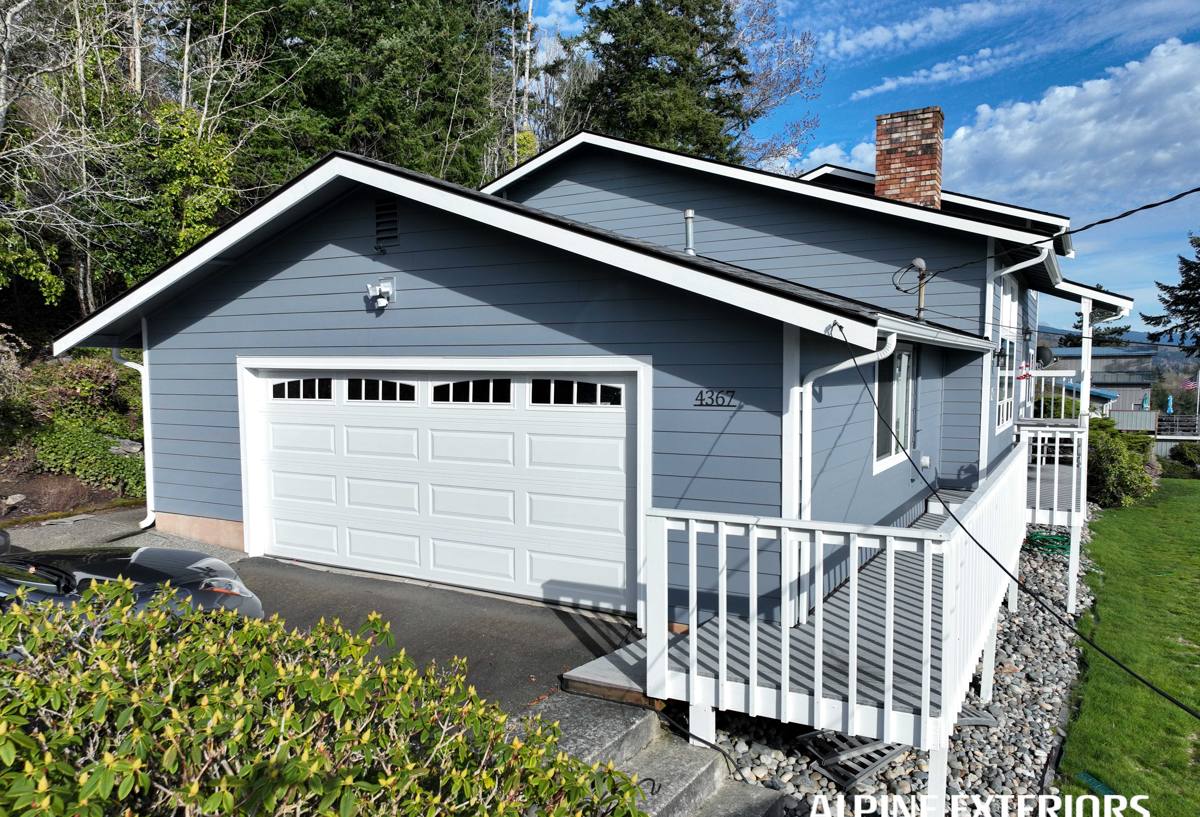
Signs Your Deck Needs Repair
Structural warning signs
These are the ones that matter most, because they affect safety, not just appearance. A deck that feels bouncy or springy underfoot, railings that wiggle when you lean on them, stairs that feel less solid than they used to, or any visible gap where the deck meets the house — these all point to framing or connection problems that shouldn't wait.
Surface-level wear
Cupped, splintering, or graying boards; fasteners backing out or leaving rust streaks; soft spots you can press a finger into; and finish that's worn through in high-traffic areas are common in this climate and don't always mean the whole deck is in trouble — but they're worth a proper look before they turn into something bigger.
- Deck surface feels spongy, soft, or gives slightly when you walk on it
- Visible gap, separation, or staining where the deck attaches to the house
- Railings or stair rails that move, wobble, or feel less rigid than before
- Rust streaks running down from screws, bolts, or metal connectors
- Boards that have cupped, cracked lengthwise, or are visibly rotting at the ends
- Standing water that doesn't drain off the deck surface within a few hours
- Wood that sounds hollow or feels crumbly when tapped near the ground or posts
What a Correct Deck Repair Actually Involves
A repair that actually holds up in Tampa's climate goes beyond swapping a few boards. It starts with understanding why the damage happened in the first place, because replacing a rotted board without fixing the drainage or fastening problem underneath it just buys a year or two before the same spot fails again.
The ledger board and house connection
This is where the deck attaches to the structure of the house, and it's one of the most common failure points anywhere, especially where wind-driven rain regularly hits the wall. A correct repair checks that this connection is properly flashed, fastened with structural lag bolts or through-bolts (not just deck screws), and sloped or sealed so water isn't tracking behind it.
Framing and joists
Joists, beams, and posts carry the actual load of the deck. Rot or insect damage here is more serious than a bad surface board, because it affects how much weight the structure can safely hold. Repairing framing means sistering or replacing damaged members with lumber rated for ground contact where needed, not just covering the problem with new decking on top.
Decking boards and railings
Surface boards and railings are what homeowners notice first, and they matter for both looks and safety. Florida building code requires guardrails at a minimum height for elevated decks, with baluster spacing that prevents a small child from passing through — a detail worth checking on any older deck being repaired, since code has tightened over the years.
Fasteners and hardware
In a coastal-influenced climate like Tampa Bay's, ordinary fasteners corrode faster than most homeowners expect. Correct repair work uses hardware rated for the exposure — hot-dip galvanized or stainless steel connectors and fasteners — instead of whatever standard-grade screws happen to be on the shelf.
Repair or Replace? Weighing the Factors
Not every deck problem calls for a full rebuild, and not every deck is worth patching indefinitely. The honest answer depends on what's happening below the surface, not just what's visible on top.
| Factor | Leans Toward Repair | Leans Toward Replacement |
|---|---|---|
| Framing condition | Ledger, beams, and joists are structurally sound; damage is isolated to a few boards or a section | Rot or insect damage runs through multiple framing members or the ledger connection itself |
| Age of the deck | Deck is relatively young or was well-built with durable materials | Deck is old enough that most of the structure is nearing the end of its service life at once |
| Extent of damage | Problems are localized — a stair, a railing section, a few boards | Damage is spread across the whole deck surface and substructure |
| Code compliance | Railings, spacing, and attachment already meet current code | Structure would need major rework to meet current safety code anyway |
| Budget goals | Homeowner wants to extend the deck's life affordably in the near term | Homeowner is planning a longer-term investment or a design change |
A straightforward inspection usually makes the right path clear. We'll tell you plainly if repair is the honest answer — and just as plainly if it isn't.
Materials We Choose for Tampa's Climate
Material choice matters more here than in a milder climate, because intense UV, humidity, and salt air accelerate wear on anything that isn't suited for it.
Lumber and decking
Pressure-treated lumber remains a solid, cost-effective choice for framing when it's properly rated for ground contact where needed and given time to dry before finishing. For surface decking, homeowners in this area are choosing between refinished or replaced wood boards and composite decking, depending on how much upkeep they want going forward. Wood costs less upfront and can look great, but it needs regular sealing or staining to hold up against year-round sun and rain. Composite costs more initially but resists fading, splintering, and moisture damage with far less maintenance — a trade-off worth weighing honestly rather than defaulting to whichever is cheaper today.
Hardware and fasteners
This is not a place to cut corners in a coastal-influenced climate. We use corrosion-resistant fasteners and structural connectors — hot-dip galvanized or stainless, depending on the application — because standard fasteners can start showing rust and losing strength well before the wood around them fails.
Flashing and sealants
Proper flashing at the ledger board and any point where the deck meets the house is what keeps wind-driven rain from working its way into framing that's otherwise sound. It's an easy detail to skip and a costly one to have missed.
Our Deck Repair Process
- Inspection. We look at the whole structure, not just the spot you called about — framing, ledger connection, fasteners, drainage, and surface condition.
- Honest scope and estimate. You get a clear explanation of what's actually wrong, what needs to be fixed now versus what can wait, and a written estimate before any work starts.
- Permitting, if required. Structural deck repairs in Hillsborough County can require a permit depending on scope — we handle that so you don't have to chase it down yourself.
- The repair itself. Framing, fasteners, boards, and railings are addressed to code and built to hold up against Tampa's sun, rain, and storm exposure, not just to look fixed.
- Final walkthrough. We go over the completed work with you and clean up the site before we consider the job done.
Why It Matters to Hire a Crew That Already Works Ybor City
Deck repair isn't identical from one part of Hillsborough County to another. A crew that regularly works in and around Ybor City has a working sense of the area's mix of older and newer homes, the kind of framing and fastener problems that show up most often, and the local permitting process, which saves time and back-and-forth compared to a contractor working outside their usual territory.
There's also a practical, weather-driven reason to hire local: hurricane season scheduling. A crew based in and around Tampa can respond faster when a storm has caused or exposed damage, and can plan repair timing around the wind-driven rain and heat patterns that affect how materials cure and perform — details that get missed by contractors coming in from farther away.
Keeping Your Deck Sound After the Repair
A good repair holds up longer with a little routine attention, especially in a climate this demanding.
- Rinse off salt residue, pollen, and debris periodically, especially after storms
- Reseal or re-stain wood decking on a regular schedule rather than waiting until it looks worn
- Check fasteners and railings for looseness once or twice a year
- Keep gutters and nearby drainage clear so water isn't pooling near the deck's support posts
- Trim back vegetation that keeps the deck surface shaded and damp longer than it should be
If you're noticing any of the warning signs above, or just want an honest read on where your deck stands, we're glad to take a look. Reach out for a free, no-pressure estimate — use the form below and we'll go from there.