 Tampa Roofing
 Brandon's Weather Is Harder on Siding Than Most Homeowners Realize
Brandon sits inland from Tampa Bay, but "inland" doesn't mean sheltered. Homes here still take the same hurricane-season wind loads, the same wind-driven rain, and the same relentless Florida UV exposure as anywhere else in Hillsborough County — and the salt air that rolls in off Tampa Bay reaches further inland than most people assume, especially on breezy days. Siding in this area isn't decoration. It's the layer standing between your framing and four distinct stressors that hit it year-round: tropical-storm and hurricane-force wind gusts, UV radiation strong enough to break down cheap coatings within a few years, wind-driven rain that gets forced sideways into every seam and joint, and salt-laden air that accelerates corrosion of fasteners, trim, and hardware.
Any siding product can be marketed as hurricane-ready. Far fewer actually perform that way over 20-plus years of Central Florida summers. What separates a siding job that holds up in Brandon from one that fails early usually isn't the brand printed on the plank — it's whether the product was engineered for this climate and whether it was installed to the letter of the manufacturer's specs.
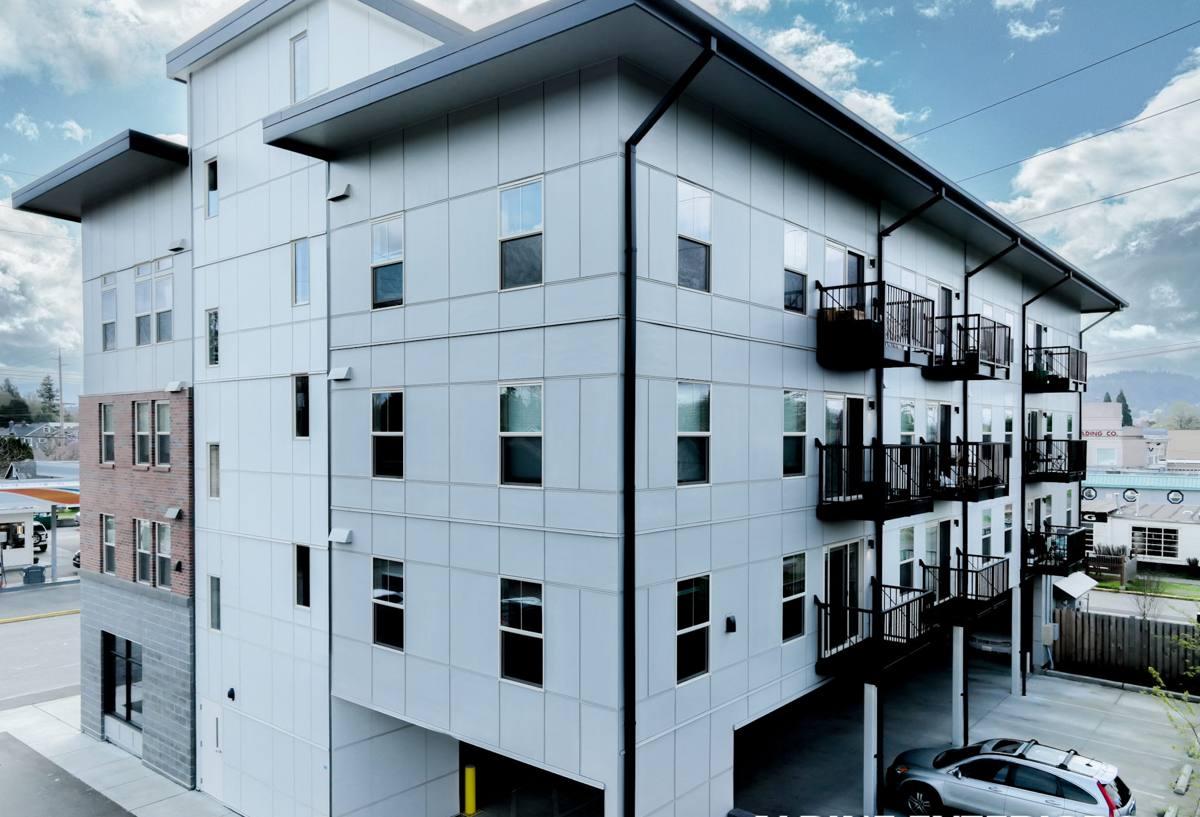
What Correct Fiber Cement Siding Installation Involves in This Climate
Fiber cement siding is only as good as the assembly behind it. A plank can be rated for high wind and still fail on a Brandon home if the water management, fastening, and sealing underneath it are done wrong. Here's what a correct installation actually requires.
Water-Resistive Barrier and Flashing
Every wall gets a continuous water-resistive barrier before a single piece of siding goes up, with flashing integrated at every window, door, and penetration. Wind-driven rain doesn't fall straight down here — it gets pushed sideways and upward under eaves and around openings, so any gap in the barrier or flashing becomes an entry point. This layer is invisible once the job is done, but it's the difference between siding that sheds water and siding that traps it against your sheathing.
Fastening for Wind Resistance
Fastener type, spacing, and placement are specified by the manufacturer for a reason, and those specs change based on your home's wind zone. Corrosion-resistant fasteners matter more here than in drier, inland parts of the country because of the salt content in the air. Under-fastening or using the wrong fastener is one of the most common causes of siding that lifts, rattles, or blows off in a strong storm — long before the plank itself would ever fail.
Sealed and Caulked Joints
Every butt joint, corner, and trim intersection needs to be sealed with a high-quality, paintable sealant rated for exterior use — not just for looks, but because those joints are exactly where wind-driven rain tries to get behind the siding. Skipping this step, or using a bargain caulk that fails in UV exposure within a couple of summers, is a shortcut that shows up as moisture damage years down the road.
Proper Clearances and Ventilation
Fiber cement needs the correct clearance from rooflines, decks, and grade, and the wall assembly behind it needs a way to dry out if any moisture does get past the outer layer. Florida's humidity means a wall system that can't breathe stays damp longer than it should, which is when rot and mold become a problem — regardless of how good the siding itself is.
Why We Install Only James Hardie Fiber Cement Siding
We don't install LP SmartSide, vinyl, Cemplank, Allura, or primed wood siding, and that's a deliberate standard, not an oversight. James Hardie's HZ5 product line is engineered specifically for hot, humid, high-UV climates like Tampa Bay's — it's built to resist moisture-driven swelling, hold paint and color longer under intense sun, and stand up to the wind loads this region sees every hurricane season. Hardie backs it with a factory-applied ColorPlus finish that's baked on and warranted against fading and chipping, plus a transferable product warranty that matters if you ever sell the home.
Non-combustibility is another factor we take seriously. Fiber cement doesn't feed a fire the way wood-based or foam-backed products can, which is a real consideration for insurance and for peace of mind. We've made James Hardie our only fiber cement offering because we'd rather stand behind one product system we know performs correctly in this climate than install several and hope each one holds up.
Our Process for Brandon Homes
The steps don't change much from house to house, but the details we watch for are shaped by what this climate does to a home over time.
- Inspection — We look at the existing siding, sheathing, and trim to catch moisture damage or rot before it's covered up by new material.
- Tear-off and substrate check — Old siding comes off and the sheathing underneath gets inspected and repaired as needed. This is the only point in the job where hidden damage is visible.
- Water-resistive barrier and flashing — Installed continuously, with special attention at windows, doors, and any wall penetration.
- Hardie siding installation — Planks, panels, or shingle-style siding installed per James Hardie's fastening schedule for your home's wind exposure.
- Trim, caulking, and touch-up — Joints sealed, trim finished, and any factory-finish touch-up handled with matched product.
- Final walkthrough and cleanup — Job site cleared, and the installation reviewed with you before we call it done.
What Fiber Cement Siding Costs in Brandon
Pricing depends on the size and shape of the home, the condition of what's underneath the old siding, and which Hardie product line and profile you choose. Rather than quote a number that won't hold up house to house, here's what actually drives the cost.
| Cost Factor | Why It Matters |
|---|---|
| Home size and wall complexity | More corners, dormers, and cutouts mean more labor and material waste |
| Sheathing and framing condition | Rot or water damage found during tear-off has to be repaired before new siding goes on |
| Product line and profile | HardiePlank, HardieShingle, and HardiePanel differ in material and installation labor |
| ColorPlus vs. primed for field paint | Factory-finished ColorPlus costs more upfront but skips a paint job and holds color longer |
| Trim and accessory work | Corner boards, window trim, and fascia work add labor beyond the flat wall area |
| Access and site conditions | Two-story walls, tight lot lines, or landscaping obstacles affect labor time |
Fiber Cement vs. Other Siding Options in This Climate
Homeowners in Brandon often ask how fiber cement stacks up against the other materials they've seen advertised. Here's an honest comparison based on how each performs against wind, UV, and moisture — the three things that matter most here.
| Material | Wind Performance | UV/Sun Durability | Moisture Behavior |
|---|---|---|---|
| Fiber cement (Hardie) | Rated for high wind zones when installed to spec | ColorPlus finish resists fading for years | Non-combustible, dimensionally stable, doesn't swell like wood-based products |
| Vinyl | Can warp or crack under sustained high wind and heat cycling | Colors fade and material can become brittle over time in intense sun | Doesn't absorb water, but can trap moisture behind it if installed poorly |
| Wood-based composite (e.g. LP SmartSide) | Generally solid when new and properly fastened | Needs field-applied paint maintained on a schedule | Wood core is more sensitive to sustained moisture exposure than fiber cement |
| Cedar/primed wood | Performs well but is more labor-intensive to secure correctly | Requires ongoing refinishing to prevent sun and moisture damage | Most susceptible to rot and insect damage of the group without diligent upkeep |
None of these products are without merit, and each has homeowners who are happy with them. Our standard is simply that we've chosen to install the one product system engineered for hot, humid, high-wind climates that we can also back with a consistent installation process and warranty.
How Long Correctly Installed Fiber Cement Siding Lasts
Installed to spec, James Hardie siding is built to perform for decades, and the ColorPlus finish is warranted separately from the substrate itself, so you're covered on both the material and the color. What determines whether a homeowner actually gets that lifespan out of it in Brandon usually comes down to two things: whether the installation followed the manufacturer's fastening and sealing requirements, and whether basic maintenance — checking caulk joints, keeping gutters clear so water doesn't sheet down the wall, keeping sprinklers from hitting the siding directly — gets done along the way. Fiber cement doesn't need repainting on the same schedule as wood, but it isn't maintenance-free forever; a periodic visual check after storm season is worth the ten minutes it takes.
A Homeowner's Checklist Before Hiring Anyone for Siding in Brandon
- Ask whether the crew is manufacturer-certified to install the specific product they're proposing
- Confirm they'll inspect and repair sheathing before new siding goes up, not just cover over it
- Get the fastening and water-resistive barrier plan in writing, not just a verbal assurance
- Ask how they handle wind zone requirements for your specific home and lot
- Check that the warranty covers both the siding material and the finish, and understand what's transferable if you sell
- Get a written scope covering trim, flashing, and caulking — not just "siding installed"
Why a Crew That Already Works in Brandon Matters
Hillsborough County's permitting requirements, wind zone standards, and inspection process are things a crew that works this area regularly already knows cold — it's one less thing that slows a project down or leads to rework. A local crew also understands what Brandon's specific mix of sun exposure, storm patterns, and older housing stock tends to reveal once old siding comes off, so there are fewer surprises mid-project. That familiarity, paired with sticking to one manufacturer's product system we know inside and out, is what lets us give homeowners a straight answer instead of a guess.
If you're weighing a siding replacement on a Brandon home, we're happy to take a look and walk you through what your house specifically needs — no pressure, no obligation. Reach out for a free estimate using the form below.