 Tampa Roofing
 Why Davis Islands New Construction Calls for a Different Approach to Windows
Building or fully re-opening a home on Davis Islands is a different job than swapping windows in an older house across town. New construction gives you one real chance to get the window openings, flashing, and glazing right before stucco, siding, and drywall close everything in. On a barrier island neighborhood like this one, that first-time-right requirement matters more than almost anywhere else in Hillsborough County. The homes here sit close to open water, get the full force of Tampa Bay's wind and salt spray, and take more direct sun exposure than inland properties. Windows installed carelessly during the build phase don't just underperform — they create leak paths and corrosion points that are far more expensive to fix once the house is finished.
This page covers what new-construction window installation actually involves, what Davis Islands' climate and building requirements demand from the work, and how we approach the job so it's done correctly the first time.
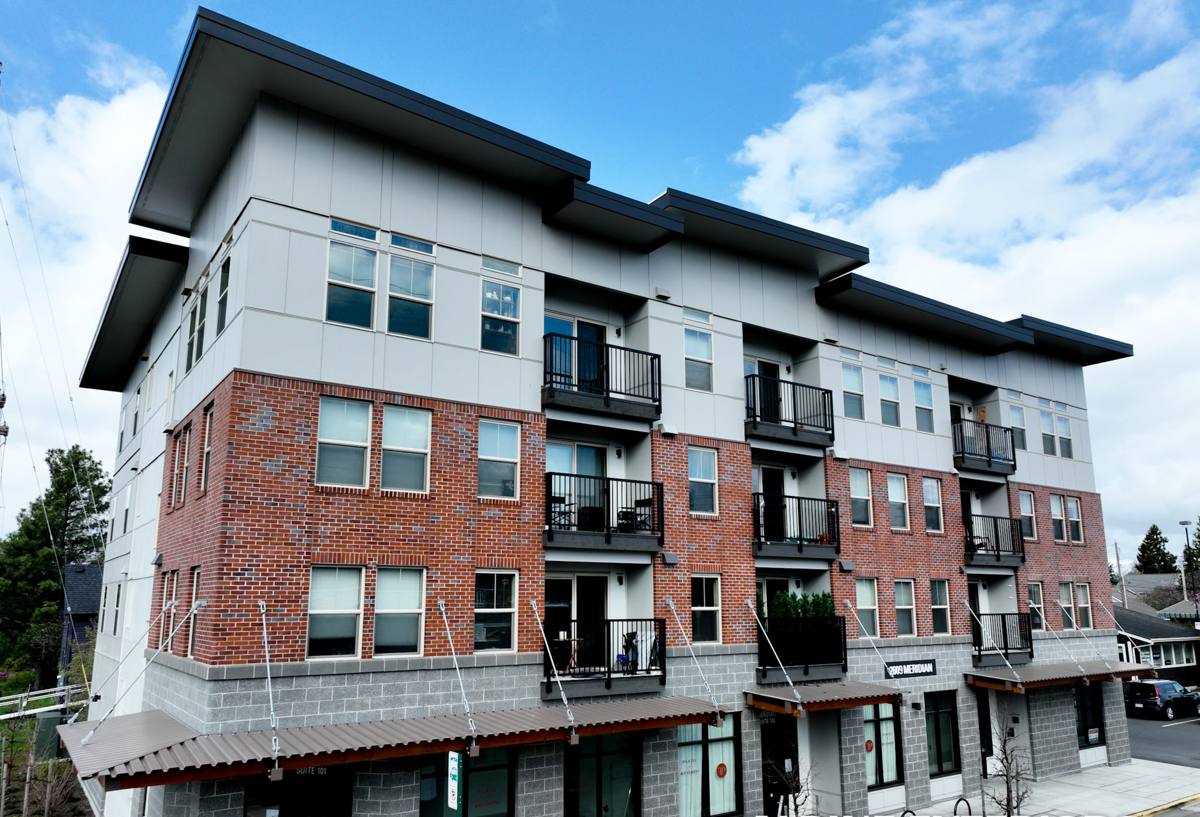
What "New-Construction" Windows Actually Means
The term isn't just marketing language — it describes a specific installation method that's only possible when the wall is open to the studs, whether that's a ground-up build, a major addition, or a gut renovation down to framing.
Nail-Fin Installation vs. Retrofit
New-construction windows have a nailing flange (fin) around the perimeter of the frame that gets fastened directly to the wall sheathing, then integrated into the home's water-resistive barrier before exterior finishes go on. This is different from a retrofit or "pocket" replacement window, which is installed into an existing, finished opening without disturbing the exterior wall. Nail-fin installation gives a more reliable, code-recognized water seal because the flashing sequence is built into the wall assembly rather than layered on top of it after the fact — which is exactly why it's the standard for new builds and full renovations rather than a shortcut applied where it doesn't belong.
What the Climate on Davis Islands Demands From a Window
Hillsborough County homes generally deal with hurricane-force wind events, salt-laden air, and intense year-round UV. On an island surrounded by open water, those pressures are amplified. A window package specified for an inland subdivision isn't automatically right for a Davis Islands build.
Wind and Impact Resistance
Homes in this part of Hillsborough County typically fall within Florida's wind-borne debris region, which means new-construction windows generally need to be either impact-rated or paired with code-approved storm protection. The window's Florida product approval and design pressure rating have to match what the local building department requires for the site's wind zone — this isn't optional or a matter of preference, it's a permitting requirement that gets checked at inspection.
Salt Air and Corrosion
Constant exposure to salt-laden air accelerates corrosion on hardware, fasteners, and lower-grade frame finishes. Over years, that shows up as pitting on hinges and locks, discoloration, and eventually stiff or failing operation. Frame material and hardware coating matter more here than they would twenty miles inland.
UV Exposure and Glass Performance
Florida's sun load is intense and it's constant, not seasonal. Glass packages without a proper low-E coating let in excessive solar heat gain, which drives up cooling costs and can accelerate fading of interior finishes and furnishings. The right glazing spec does real, measurable work on comfort and energy bills.
Wind-Driven Rain and Water Management
Tropical systems and seasonal storms in this region routinely bring rain that travels sideways under wind pressure, not just straight down. A window opening that only manages vertical water flow will leak in these conditions. Correct sill pan flashing and a properly lapped water-resistive barrier are what actually stop that kind of intrusion.
Frame Material Comparison for Barrier-Island New Construction
There's no single "best" frame material for every project — it depends on budget, the home's design, and how much long-term maintenance the owner wants to take on. Here's how the common options hold up under Davis Islands conditions:
| Frame Material | Salt Air / Corrosion Resistance | Maintenance | Typical Fit |
|---|---|---|---|
| Vinyl | Good — won't corrode, though prolonged intense UV can affect some lower-grade formulations over time | Low | Budget-conscious new builds, strong overall value |
| Aluminum | Good with a proper marine-grade or powder-coat finish; lesser coatings degrade faster near the water | Moderate | Larger openings, contemporary designs, higher structural spans |
| Fiberglass | Very good — dimensionally stable, resists corrosion and UV degradation well | Low | Higher-end builds prioritizing longevity and minimal upkeep |
| Wood / Wood-Clad | Poor without diligent upkeep — the most vulnerable to moisture and salt exposure | High | Interior aesthetic priority; we recommend clad exteriors only in this climate |
We steer most Davis Islands clients away from unclad wood exteriors specifically because of the maintenance burden this climate places on them — it's a trade-off worth understanding up front, not a knock on the material itself.
Getting the Installation Right: What a Correct Job Involves
New-construction window installation has more steps than people expect, and skipping any one of them is how leaks and premature failures happen. A correct installation includes:
- Rough openings checked for square, level, and correct size before any window goes in
- Sill pan flashing installed to direct any water that does get past the window back out, not into the wall cavity
- Water-resistive barrier integrated and properly lapped — shingle-style, top over bottom — around the entire opening
- Window set, shimmed, and fastened per the manufacturer's and Florida product approval installation instructions
- Flashing tape and sealant applied at the correct layers and in the correct sequence, not just caulked over afterward
- Fastener spacing and type matched to the design pressure rating specified for the site
- Interior and exterior sealant joints completed and inspected before insulation and finishes cover the work
- Documentation and product labels retained for permitting and final inspection
Our Process for New-Construction Window Installation
We work directly with builders, general contractors, and homeowners managing their own renovation on Davis Islands, and the process stays consistent whether it's a full new build or a major addition:
- Plan review and product selection. We look at the architectural plans, confirm wind load and impact requirements for the site, and help select a window line and glazing package that fits the design and budget.
- Ordering and lead-time coordination. Impact-rated windows built to spec take time to manufacture — we coordinate this against the framing schedule so the job doesn't stall.
- Rough opening verification. Before installation day, we confirm openings are framed correctly. Catching a framing error here is far cheaper than catching it after windows are set.
- Installation. Sill flashing, water-resistive barrier integration, window setting, fastening to design pressure spec, and sealant — done in the correct sequence, not shortcuts.
- Inspection-ready documentation. We leave the job with the product labels and installation records the building department and any project inspector will want to see.
What Affects Cost
New-construction window costs vary by project, and there's no honest way to quote a whole-house number without seeing the plans. The main factors that move the price are:
| Factor | How It Affects Cost |
|---|---|
| Impact rating vs. standard glazing with separate protection | Impact-rated glass costs more upfront but eliminates the need for separate storm shutters or panels |
| Frame material | Vinyl is typically the most budget-friendly; fiberglass and higher-end aluminum systems cost more |
| Window size and opening count | Larger openings and higher total window count increase both material and labor cost |
| Glazing package (low-E, tinting, laminate structure) | Upgraded coatings and multi-layer laminated glass add cost but improve comfort and energy performance |
| Design complexity | Custom shapes, oversized openings, and multi-slide or specialty units cost more than standard rectangular units |
Because pricing depends so heavily on the plan set, we base every quote on your actual project — not a generic per-window estimate that won't hold up once the specifics are known.
Why a Crew That Already Works Davis Islands Matters
Barrier-island jobs have logistics that inland Hillsborough County projects don't: limited access, tighter lot lines in places, and a building department that's seen enough new construction here to know exactly what a compliant window install looks like. A crew that regularly works this neighborhood already understands the wind zone requirements, has a working relationship with local permitting, and knows how to sequence a window install around the realities of building on an island — including weather windows and material staging. That familiarity translates directly into fewer surprises, fewer inspection callbacks, and a tighter build schedule.
It also means we've seen firsthand how different frame materials, sealant systems, and glazing packages actually perform once a Davis Islands home has been through a few storm seasons — not just how they're rated on paper. That real-world feedback loop is part of why we make the recommendations we do.
Get a Free, No-Pressure Estimate
If you're building new or planning a major renovation on Davis Islands and need windows specified, sourced, and installed correctly the first time, we're glad to take a look at your plans. Fill out the form below for a free estimate — no pressure, no obligation, just a straight answer on what your project needs.