 Tampa Roofing
 Carrollwood's Climate Is Hard on Siding
Carrollwood sits in the northwest section of Hillsborough County, far enough from the water that homeowners sometimes assume they're spared the worst of what Tampa Bay throws at exterior building materials. That's only partly true. Carrollwood homes still face intense year-round UV exposure, hurricane-force wind events, wind-driven rain, and periodic salt-laden air pushed inland during storm systems moving off the Gulf and Tampa Bay. Add Central Florida's humidity and afternoon thunderstorm pattern, and siding here is working harder than siding almost anywhere else in the country.
UV and Heat
Florida sun is relentless. Siding faces direct exposure for most of the daylight hours, nearly every day of the year. Cheaper finishes chalk, fade, and become brittle under that kind of sustained UV load. A siding product's finish system matters as much as the substrate underneath it — a great material with a weak factory finish will still look tired within a few years.
Wind and Wind-Driven Rain
Hillsborough County sits squarely in a hurricane-exposed region, and even storms that don't make landfall as direct hits bring sustained wind and driving rain to Carrollwood. Wind doesn't just threaten to peel siding off the wall — it forces water sideways and upward, testing every seam, joint, and piece of flashing behind the surface material. Siding that isn't installed with real attention to water management will eventually let moisture behind it, storm or no storm.
Humidity and Salt Air
Year-round humidity keeps moisture in play even between storms, and Hillsborough's proximity to Tampa Bay means salt content in the air is a real factor for exterior materials, not just for waterfront properties. Materials that swell, absorb moisture, or corrode fasteners over time don't hold up as well in this environment as materials engineered specifically for it.
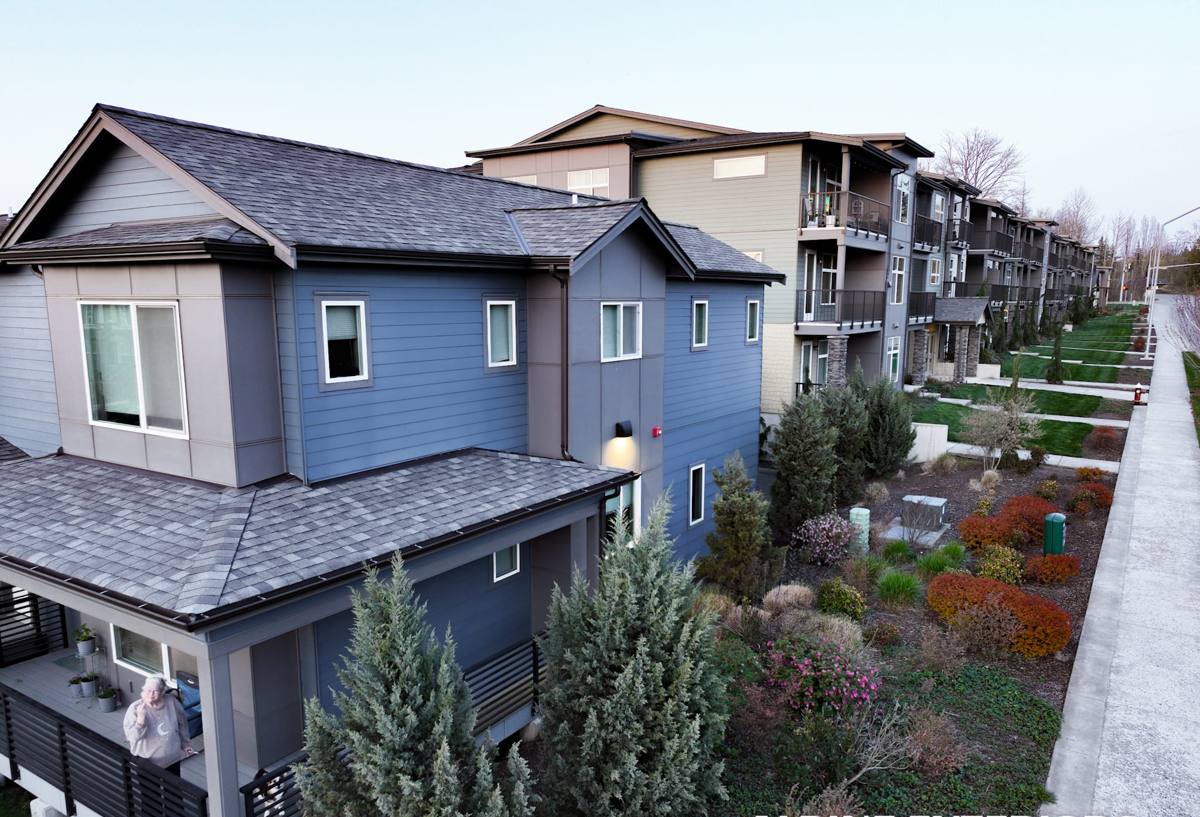
What a Correct Siding Installation Actually Involves
Siding installation is often sold as a cosmetic upgrade, but the visible panels are the last layer of a system. Everything installed underneath and around them determines whether the siding performs for twenty-plus years or causes problems in five.
Water Management Comes First
A correct installation starts with a water-resistive barrier over sound sheathing, then proper flashing at every window, door, penetration, and horizontal transition. Water has to be directed out and down, never trapped behind the cladding. This is the step that gets rushed or skipped on lower-bid jobs, and it's also the step you can't see once the siding is up — which is exactly why it has to be done right the first time.
Fastening and Manufacturer Specifications
James Hardie publishes specific fastening patterns, clearance requirements, and gapping instructions for its products, and those specs change slightly depending on wind zone and exposure. Following them isn't optional paperwork — it's what keeps siding attached during a wind event and keeps water from wicking into cut edges and joints. A correctly fastened, correctly gapped installation is also what keeps the manufacturer's warranty valid if something ever does go wrong.
Trim, Caulking, and Finish Details
The finish work is where a job starts to look either sharp or sloppy: consistent reveals, tight trim corners, correct caulk joints where the manufacturer calls for sealant (and none where it doesn't), and touch-up paint that actually matches. These details are cosmetic, but they're also functional — a bad caulk joint is a water entry point waiting to happen.
Why We Install Only James Hardie Fiber Cement
This company installs James Hardie fiber cement siding exclusively. We don't install vinyl, LP SmartSide, Cemplank, Allura, or primed wood siding, and that's a deliberate standard, not an oversight. In a climate like Hillsborough County's, the trade-offs of those other products show up faster and more visibly than they might in a milder region.
Vinyl siding is affordable and low-maintenance in mild climates, but it's a plastic product that softens and can distort under sustained high heat and direct sun, and it offers little resistance in a serious wind event compared to a mechanically fastened fiber cement panel. Engineered wood products like LP SmartSide use wood strand cores that are more moisture-resistant than they used to be, but wood-based cores still depend heavily on caulking and paint maintenance staying ahead of Florida's humidity and rain — fall behind on that maintenance here, and the consequences show up faster than in a drier climate.
James Hardie fiber cement is non-combustible, doesn't expand and contract with heat the way vinyl does, and holds paint and color far longer because of its cement composition. Hardie also engineers specific product lines — HZ5 and HZ10 — for different climate zones, with HZ10 built for the exact conditions Hillsborough County deals with: high heat, high humidity, and heavy annual rainfall. The ColorPlus factory finish process bakes color onto the board under controlled conditions before it ever reaches the jobsite, which holds up better against UV fading than field-applied paint and comes with its own finish warranty on top of the substrate warranty. That combination — the right material engineered for the right climate zone, backed by a finish system built for UV, and a transferable warranty — is why we standardized on it and stopped installing anything else.
Our Siding Installation Process for Carrollwood Homes
- Assessment and measurement. We inspect the existing siding, sheathing, and trim to understand what's underneath before quoting the job, not just measuring square footage from the outside.
- Removal and sheathing check. Old siding comes off and we check the sheathing underneath for rot or water damage before anything new goes on — this is often where hidden problems from a prior installation surface.
- Water-resistive barrier and flashing. A new barrier goes over the sheathing, with flashing detailed at every window, door, and penetration before a single piece of siding is installed.
- Hardie panel installation. Panels and trim go up following James Hardie's fastening and clearance specifications for our wind zone, with attention to consistent reveals and proper gapping.
- Trim, caulk, and touch-up. Corners, joints, and any factory-cut edges get sealed and finished according to Hardie's specifications, using matched touch-up product where needed.
- Final walkthrough and cleanup. We walk the finished job with the homeowner, address anything that needs adjustment, and clear the site of debris and old material.
Cost Factors for Siding Installation in Carrollwood
Every siding quote should reflect the specific house, not a flat per-square-foot rate pulled from a generic estimate. The factors below are what actually move the number up or down on a Carrollwood project.
| Factor | Why It Affects Cost |
|---|---|
| Home size and wall complexity | More linear footage, dormers, and corners mean more cutting, trim work, and labor hours |
| Condition of existing sheathing | Rot or water damage found during tear-off has to be repaired before new siding goes on |
| Siding profile chosen | Lap siding, board-and-batten, and shingle-style Hardie profiles carry different material and labor costs |
| Trim and detail work | Window and door surrounds, corner boards, and fascia detailing add labor time beyond flat wall area |
| Access and lot conditions | Mature landscaping, fencing, or tight side yards common in established Carrollwood lots can affect setup and staging time |
| Story height | Two-story sections require additional safety equipment and slow production compared to single-story walls |
Signs Your Carrollwood Home May Need New Siding
Some warning signs are obvious; others are easy to miss until they've caused real damage underneath. Look for:
- Visible cracking, warping, or buckling in siding panels
- Soft spots or give when you press on the siding near the bottom of walls
- Paint or finish that's chalking, peeling, or fading unevenly across the house
- Gaps opening up around window and door trim
- Rising utility bills that suggest air and moisture are getting past the exterior wall
- Visible mold, mildew, or staining that keeps returning after cleaning
- Siding that's original to a home built decades ago and has never been replaced
Why a Crew That Already Works in Carrollwood Matters
Carrollwood has a mix of home ages, from long-standing single-story homes built decades ago to newer construction, often on established, tree-lined lots. A crew that regularly works this specific area already understands the kind of access challenges mature landscaping and established lot layouts create, knows how permitting and inspections typically move through Hillsborough County and the surrounding jurisdictions, and has a feel for the local wind exposure requirements that affect fastening specs. That familiarity shows up in fewer surprises mid-project and a smoother permitting and inspection process, rather than a contractor learning the area's quirks on your job.
It also matters for accountability. A contractor with an ongoing presence in Carrollwood has a reason to stand behind the work years down the road — reputation in a specific community is worth protecting, and it shows in how carefully the job gets done the first time.
Caring for Hardie Siding After Installation
One of the practical advantages of James Hardie fiber cement with a ColorPlus finish is how little ongoing maintenance it needs compared to painted wood or vinyl. A periodic rinse to clear pollen, salt residue, and airborne grime keeps the finish looking sharp. It's worth doing a visual check of caulk joints and trim after major storm seasons, since caulking is the one component that can wear out well before the siding itself does. Field-cut edges and any areas where trim was field-painted rather than factory-finished are the spots most worth watching over time.
If you're weighing a siding project for your Carrollwood home, we're glad to walk the property with you, explain what we find, and put together a clear, no-pressure estimate — no obligation, just straight answers about what your home actually needs.