 Tampa Roofing
 Siding Built for the Way South Tampa Actually Weathers
South Tampa sits close enough to open water that its homes take on a different weather load than houses further inland in Hillsborough County. Between hurricane-season wind events, near-constant sun, wind-driven rain that finds every gap in a wall system, and the slow corrosive effect of salt-laden air, exterior siding here works harder than it does almost anywhere else in the state. A siding job that would hold up fine in a drier, calmer climate can fail early in South Tampa if it wasn't specified and installed with these conditions in mind.
This page focuses specifically on siding installation for South Tampa homes — what the climate demands, what a correct installation actually involves, and why we install exclusively James Hardie fiber cement siding rather than the vinyl, engineered wood, or other fiber cement products some homeowners ask about.
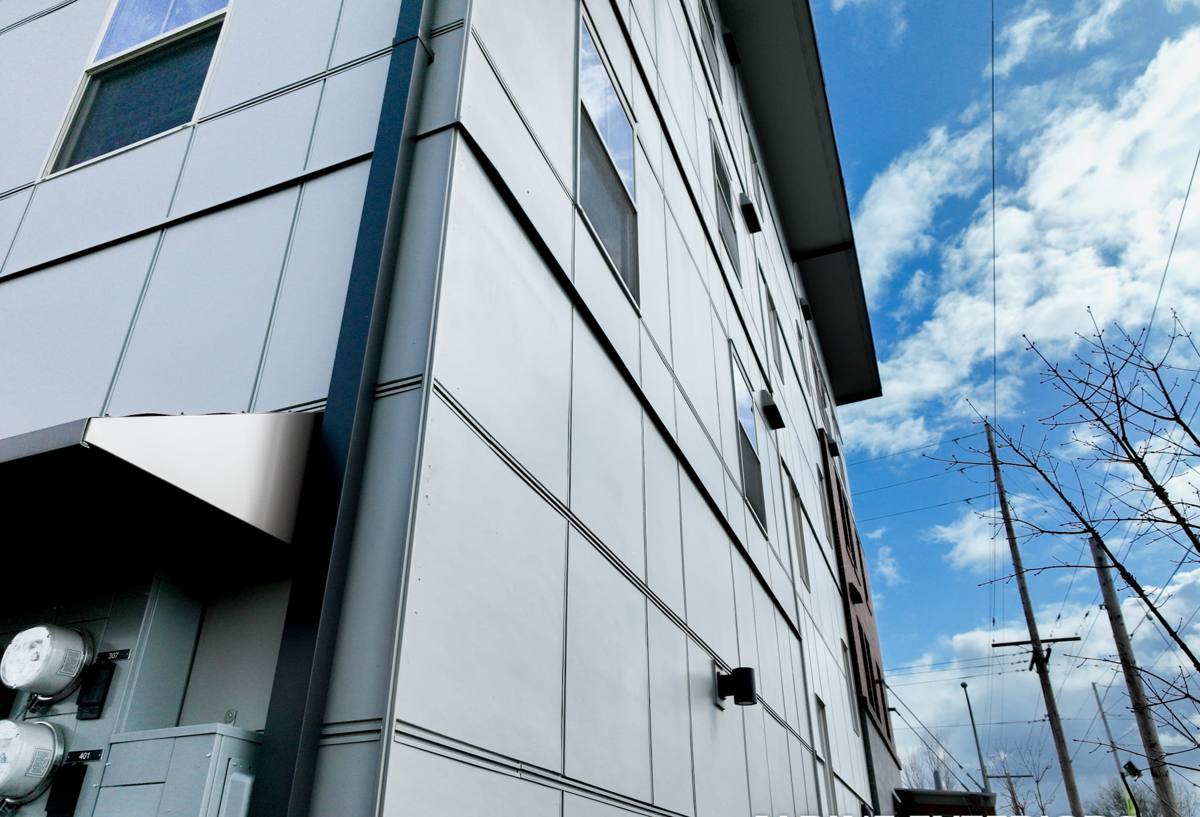
What South Tampa's Climate Does to Siding Over Time
Hurricane-Force Wind Exposure
Even outside a direct hurricane strike, South Tampa homes regularly experience tropical-storm-force gusts during the season. Wind doesn't just push on siding — it creates pressure differentials that can pull poorly fastened panels away from the wall, work loose caulking and trim, and drive water behind siding that isn't properly lapped and sealed. Siding rated for a lower wind zone, or installed with fastening patterns meant for calmer regions, is the first thing to fail in a storm.
Year-Round UV and Heat
Tampa doesn't get a real off-season for sun exposure. Siding faces months of intense UV that fades cheap finishes, dries out caulk joints, and can cause some materials to warp or soften under sustained heat. A finish that isn't engineered to hold color and integrity under this kind of exposure will visibly chalk, fade, or degrade well before a homeowner expects to think about repainting.
Wind-Driven Rain and Moisture
Rain in this climate rarely falls straight down. Wind-driven rain gets pushed sideways and upward into laps, seams, and penetrations that a calmer climate's installation standards don't always account for. Combined with Tampa's humidity, any moisture that gets behind siding has ideal conditions to cause rot, mold, or substrate damage before it's ever visible from the outside.
Salt Air and Corrosion
South Tampa's proximity to the bay means airborne salt is a real factor, even at homes that aren't waterfront. Salt air accelerates corrosion of fasteners, trim, and any metal components in a siding system, and it can degrade certain finishes faster than the manufacturer's stated timeline for inland installations.
Why We Install Only James Hardie Fiber Cement Siding
We get asked regularly why we don't offer vinyl siding, LP SmartSide, Cemplank, Allura, or primed wood as options. The honest answer is that after years of doing exterior work in this specific climate, we standardized on one product because it consistently holds up to what South Tampa throws at it, and we'd rather do one thing correctly than offer several options and let homeowners gamble on the wrong one for their situation.
James Hardie fiber cement is non-combustible, which matters in a state where wildfire risk and code requirements increasingly factor into insurance and permitting decisions. Its ColorPlus factory-applied finish is baked on under controlled conditions rather than field-painted, which gives it better UV and fade resistance than most job-site-applied coatings. Hardie also engineers specific product lines — its HZ5 designation — for hot, humid, high-moisture climates like ours, with formulations meant to resist the moisture-related failures that generic fiber cement or engineered wood products can be more prone to in this environment. It carries a strong transferable warranty when installed to Hardie's specifications, which matters both for a homeowner living in the house long-term and for resale.
None of this means other products are without merit for other climates or budgets — it means that for a coastal, hurricane-exposed, high-UV market like South Tampa, we've concluded Hardie's combination of durability, finish stability, and moisture engineering is the standard worth building a business around.
What a Correct Siding Installation Actually Involves
Fiber cement siding is only as good as the installation behind it. The material can be excellent and still fail early if the underlying details are wrong — and those details are exactly what's invisible once the job looks finished.
- A continuous, properly lapped weather-resistive barrier behind the siding, with no gaps at seams or penetrations
- Flashing at every window, door, and roofline intersection, including kickout flashing where a roof edge meets a wall
- Fastening patterns and fastener spacing matched to the home's actual wind exposure, not a generic minimum
- Correct clearance between the bottom of the siding and grade, decking, or roofing to prevent wicking moisture
- Factory-primed or sealed cut edges on every panel, since an exposed cut edge is a moisture entry point
- Proper joint treatment and gapping per manufacturer specification, not caulked tight in a way that traps water
- Use of the HZ5 product line specified for this climate zone, not a generic or lower-tier substitute
- Installation that follows Hardie's published specifications closely enough to keep the manufacturer's warranty valid
Skipping any one of these doesn't necessarily show up on day one. It shows up two, five, or ten years later as a soft spot, a stain, or a section that's failing while the rest of the wall looks fine.
How Our Process Works
Assessment and Product Selection
We start by looking at the existing siding or substrate, the home's exposure (corner lots and homes closer to open water get more wind and salt load), and any moisture or rot issues already present. From there we spec the right Hardie profile and HZ5 formulation for the home, and walk through ColorPlus color options.
Preparation and Tear-Off
Old siding comes off down to the sheathing so we can inspect for hidden water damage before it's covered up again — a step that's easy to skip but critical in a climate where trapped moisture does real damage over time.
Weather Barrier and Flashing
We install a continuous weather-resistive barrier and flash every penetration, window, door, and roofline transition before a single piece of siding goes up. This is the layer that actually keeps wind-driven rain out, regardless of what's on top of it.
Installation to Local Wind Requirements
Fastening, spacing, and clearances are set to match the wind exposure standards that apply to Hillsborough County construction, not a generic baseline. This is also where following Hardie's own installation specification matters, since it's what keeps the manufacturer's warranty intact.
Final Inspection and Walkthrough
We walk the finished job with the homeowner, confirm trim and caulking details, and make sure warranty registration paperwork is handled correctly.
Comparing Siding Materials for a South Tampa Home
Homeowners often ask how James Hardie stacks up against other materials they've seen quoted elsewhere. Here's an honest comparison based on how these materials generally perform in a hot, humid, storm-exposed coastal climate:
| Material | Wind & Moisture Performance | UV/Fade Resistance | Maintenance | Typical Longevity |
|---|---|---|---|---|
| James Hardie Fiber Cement (HZ5) | Engineered for high-wind, high-moisture climates | Factory ColorPlus finish, strong fade resistance | Low — occasional washing | Multiple decades with proper install |
| Vinyl Siding | Can warp or crack under high wind and sustained heat | Prone to fading and chalking over time | Low, but can't be repainted easily if faded | Moderate, shorter in intense sun/heat |
| LP SmartSide (Engineered Wood) | Sensitive to sustained moisture exposure at edges/seams | Field-applied finishes vary in durability | Moderate — edge sealing and paint upkeep matter | Moderate, dependent on moisture control |
| Primed Wood or Cedar | Vulnerable to swelling, rot in high humidity | Requires repainting/staining on a regular cycle | High — ongoing painting and sealing | Shorter without frequent maintenance |
This isn't a knock on every use case for these products — vinyl and engineered wood have their place in drier, calmer markets. It's simply why, for the specific combination of wind, humidity, UV, and salt air that South Tampa homes face, we've standardized on Hardie's fiber cement system.
What Drives Cost on a South Tampa Siding Project
Every home is different, so we don't quote broad numbers without seeing the property, but a few factors consistently move the price on siding jobs in this area:
- Home size and the amount of wall area being covered
- Whether existing siding needs full tear-off versus installing over sound sheathing
- Condition of the substrate once old siding is removed — hidden rot adds repair scope
- Amount of trim, window, and architectural detail work involved
- Siding profile chosen (lap width, panel vs. plank) and color selection
- Number of stories and access complexity
We walk homeowners through these factors during the initial assessment so there are no surprises once a proposal is in hand.
Why Hiring a Crew That Already Works in South Tampa Matters
Siding installation quality depends heavily on whether the crew understands the specific conditions of the area they're building in. A crew that regularly works South Tampa already understands the wind exposure differences between an inland lot and one closer to open water, knows how Hillsborough County permitting and inspection process typically runs, and has seen firsthand what happens when flashing or fastening details are cut short in this climate. That local pattern recognition — knowing which details matter most here — is difficult to replace with a generic national installation crew unfamiliar with Florida's Gulf Coast conditions.
Maintaining Your New Siding in This Climate
Even durable, well-installed fiber cement siding benefits from basic upkeep in a climate like this. Rinse siding periodically to clear salt residue and airborne grime, especially on sides of the home facing prevailing wind. Inspect caulking around windows, doors, and trim annually, since UV and heat cycling can dry out sealant faster here than in milder climates. Trim vegetation back from siding to maintain airflow and reduce trapped moisture. And after any significant storm, a quick visual check for loose trim or damaged panels can catch small issues before they become bigger repairs.
If your South Tampa home needs new siding, or you're evaluating whether your current siding is holding up the way it should, we're happy to take a look and talk through honest options. Reach out for a free, no-pressure estimate using the form below.