 Tampa Roofing
 Why Siding Choice Matters More in Town 'n' Country Than Most Places
Town 'n' Country sits close enough to Tampa Bay and the Gulf that homes here take on a combination of stresses that most siding products were never designed to handle for decades at a stretch. Hurricane-season wind gusts, sideways wind-driven rain, salt-laden air moving in off the water, and some of the most intense year-round UV exposure in the continental United States all hit the same wall assembly. Individually, any one of those is manageable. Together, over 15-20 years, they expose the weak points in cheaper siding fast: seams that open up, paint that chalks and fades, panels that swell or delaminate, and moisture that finds its way behind the cladding and into the sheathing.
This page is specifically about fiber cement siding for Town 'n' Country properties — what the climate demands, what a correct installation actually looks like, and why the crew doing the work matters as much as the material itself.
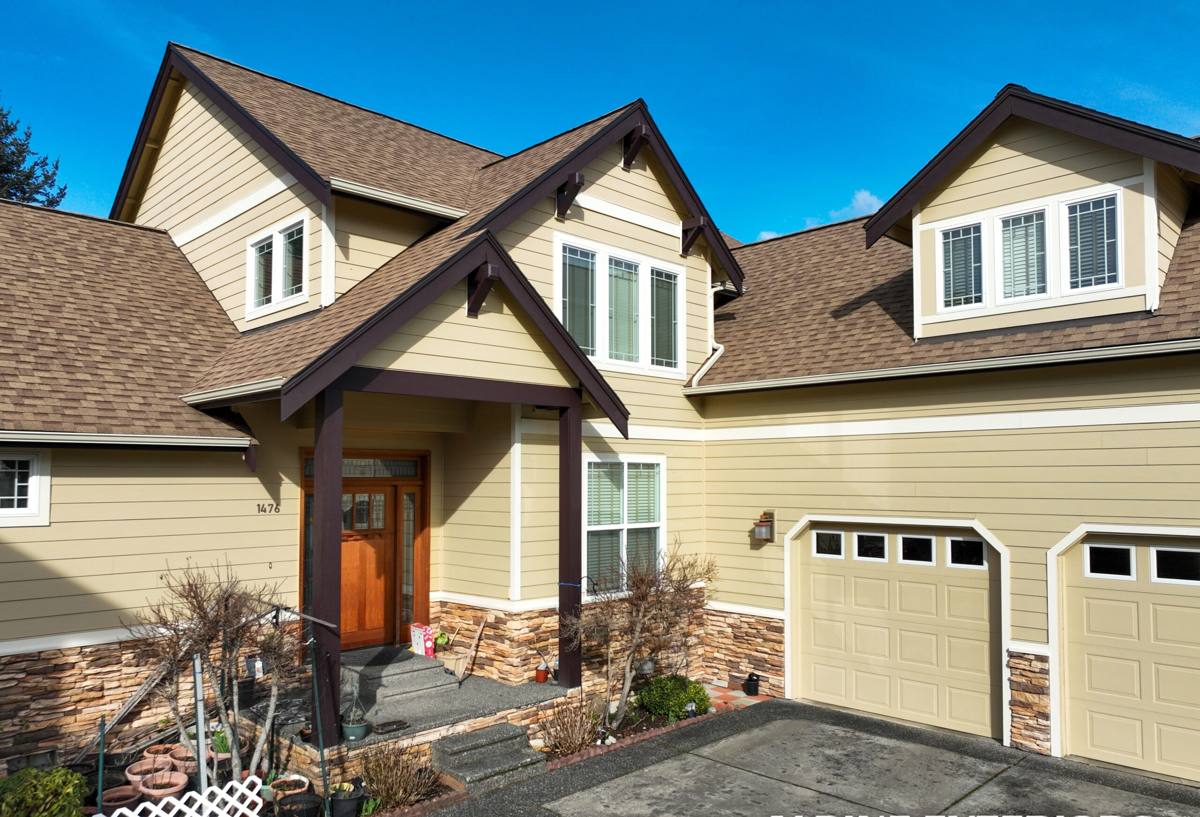
What Hillsborough County's Climate Actually Does to Siding
Wind and Wind-Driven Rain
Tampa-area storms don't just bring rain straight down — wind pushes it sideways and up under laps, trim, and penetrations. Siding that isn't installed with correct overlaps, flashing, and clearances will eventually let water behind it, even if the material itself is rated for the climate. Wind uplift on loose or under-fastened panels is also a real risk during tropical storms and hurricanes; fasteners need to hit framing correctly and follow the manufacturer's wind-zone nailing schedule, not just "close enough."
UV and Heat
Florida sun breaks down pigments and resins faster than almost anywhere else in the country. Field-applied paint on wood or engineered wood siding chalks, fades, and needs recoating on a shorter cycle here than up north. Factory-cured finishes hold color longer because they're baked on under controlled conditions rather than brushed or sprayed on-site.
Humidity and Salt Air
Even away from the immediate coastline, Tampa Bay's humidity and salt content in the air accelerate corrosion of fasteners and trim, and they keep moisture-sensitive materials damp longer between rain events. Products that swell, rot, or delaminate when they stay wet are a poor match for a climate that rarely gives siding a long dry stretch to fully recover.
What a Correct Fiber Cement Installation Involves
Fiber cement siding performs well in this climate, but only when it's installed to spec. A rushed or corner-cut install can undermine even the best material. A correct job includes:
- A properly lapped and taped weather-resistive barrier (house wrap) installed before any siding goes up, with all penetrations sealed
- Correct flashing at windows, doors, roof-to-wall intersections, and any other penetration where water can enter
- Manufacturer-specified fastener type, spacing, and embedment depth — not a generic nailing pattern
- Proper clearance between the bottom of the siding and roof lines, decks, and grade to avoid wicking moisture
- Correctly treated butt joints and caulked seams using compatible sealants, not just "whatever's in the caulk gun"
- Field-cut edges sealed or back-primed where required so raw cut edges aren't left exposed to weather
Skip any one of these steps and you can end up with moisture problems behind siding that otherwise looks fine from the curb — which is exactly the kind of failure that shows up as rot, mold, or a failed inspection years later, not on day one.
Why We Install Only James Hardie Fiber Cement
We standardized on James Hardie products and don't install vinyl, LP SmartSide, Cemplank, Allura, or primed wood siding. That's a deliberate call, not a brand preference for its own sake. Fiber cement as a category resists fire, rot, and pests better than wood-based alternatives, and it holds up to wind-driven rain far better than vinyl, which can crack, warp, or blow off in high wind and gapping at the seams over time. Within fiber cement, James Hardie is the manufacturer we trust to back the product with engineering specific to hot, humid, storm-prone climates and a factory finish that actually holds color here.
HardieZone HZ5 Engineering
James Hardie formulates its siding differently by climate zone. Florida falls in the HZ5 zone, and Hardie's HZ5 formulation is engineered specifically for high humidity, heavy rain, and the freeze-thaw cycles aren't the issue here — moisture resistance and durability under sustained wet, humid conditions are. That's the version we install; it's built for exactly what Town 'n' Country weather throws at a house.
ColorPlus Factory Finish
Rather than field-painted color, Hardie's ColorPlus finish is baked on in a controlled factory process with multiple coats and a UV-cured clear coat. In a market with Tampa's sun exposure, that translates into color that resists fading and chalking far longer than site-applied paint, and touch-up product that's formulated to match.
Non-Combustible Material
Fiber cement doesn't burn, which matters for insurance considerations and simple peace of mind — it's not a feature wood-based or vinyl siding can claim.
Warranty Backing
James Hardie backs its siding with a long, transferable limited warranty when installed according to its specifications — which is precisely why correct installation isn't optional. A warranty is only as good as the install behind it.
Choosing the Right Hardie Product Line
Not every Town 'n' Country home needs the same siding profile. Part of our estimate process is walking the property and talking through which line fits the home's style, age, and exposure.
| Product | Best Fit | Notes |
|---|---|---|
| HardiePlank Lap Siding | Most single-family homes, traditional and ranch styles common across Town 'n' Country | Available in multiple widths and textures; the most common choice for full re-sides |
| HardieShingle | Accent gables, dormers, or homes wanting a shingle-style look | Often paired with lap siding rather than used on an entire elevation |
| HardiePanel Vertical Siding | Modern or mixed-material facades, porches, accent walls | Frequently combined with trim and lap siding for a layered look |
| HardieTrim | Corners, fascia, window and door surrounds | Matched finish system so trim and field siding age and weather together |
Our Process for a Town 'n' Country Siding Project
- On-site evaluation: We inspect the existing siding, sheathing where accessible, trim, and any signs of past moisture intrusion before quoting anything.
- Written scope and estimate: A clear breakdown of product line, prep work, and what's included — no vague allowances.
- Permitting: Hillsborough County requires a permit for exterior re-siding work, and the installation has to meet Florida Building Code wind-load requirements for our local wind zone. We handle that paperwork rather than leaving it to the homeowner.
- Tear-off and substrate check: Old siding comes off and we inspect the sheathing underneath before covering anything back up — this is the point where hidden moisture damage, if any, gets caught and addressed.
- House wrap and flashing: A correctly lapped weather barrier and proper flashing at every penetration, installed before siding goes up.
- Installation to manufacturer spec: Fastener pattern, clearances, joint treatment, and caulking all done to James Hardie's published installation guidelines.
- Final walkthrough: We go over the finished job with the homeowner and confirm everything matches the agreed scope before calling it done.
Cost Factors Homeowners Should Understand
Siding pricing varies by home size, existing condition, and product line, so we won't publish a number here that doesn't apply to your specific house. What actually moves the estimate:
| Factor | Why It Matters |
|---|---|
| Substrate condition | Rotted or damaged sheathing found during tear-off adds repair cost before new siding goes on |
| Home size and complexity | More corners, gables, and trim details mean more labor and material cutting |
| Product line and profile | Lap width, texture, and use of shingle or panel accents affect material cost |
| Trim scope | Full trim replacement versus reusing sound existing trim changes the total |
| Access and site conditions | Fencing, landscaping, pools, and tight lot lines affect labor time |
Why Local Experience in Town 'n' Country Specifically Matters
A lot of Town 'n' Country's housing stock dates back several decades, which means soffit, fascia, and framing conditions underneath old siding aren't always what a spec sheet assumes. A crew that has worked this specific area knows what to expect when tear-off starts, how the neighborhood's mix of home styles typically needs to be trimmed out, and how to navigate Hillsborough County's permitting and inspection process without it turning into a delay. That familiarity shows up in fewer surprises mid-project and a smoother inspection process — not just a faster sales pitch.
Maintenance After Installation
Correctly installed James Hardie siding is low-maintenance, not zero-maintenance. A short annual routine keeps it performing the way it's designed to:
- Rinse siding periodically to clear salt residue, pollen, and grime buildup, especially after storm season
- Inspect caulking at trim joints and penetrations yearly and re-caulk if it's cracked or pulling away
- Keep sprinklers from spraying directly on siding long-term, which can leave mineral deposits and keep panels damp
- Trim back landscaping that holds moisture against the siding or blocks airflow
- Watch for any soft spots, staining, or gaps after major storms and address them before the next rain event
If you're weighing a siding replacement for a Town 'n' Country home, we're happy to walk the property, take a real look at what's there, and put together a straightforward, no-pressure estimate — no obligation, just an honest read on what your house needs.