 Tampa Roofing
 Windows Take a Beating in New Tampa
New Tampa sits in Hillsborough County, and while it's inland rather than beachfront, that doesn't mean the climate goes easy on a house. Windows here deal with intense year-round UV that breaks down seals and fades frames, wind-driven rain that finds every gap in a bad installation, salt-laden air that drifts in off Tampa Bay and speeds up corrosion on metal hardware, and the real possibility of hurricane-force winds during storm season. A window that was installed correctly can shrug most of that off for decades. A window that wasn't will show it early — fogged glass, soft spots in the frame, water staining on the interior wall below the sill, or a sash that won't latch right anymore.
This page is about one thing: window installation done right, for homes in New Tampa specifically. Not a generic rundown of window types — what actually matters for this area, what a correct install looks like, and how we handle it.
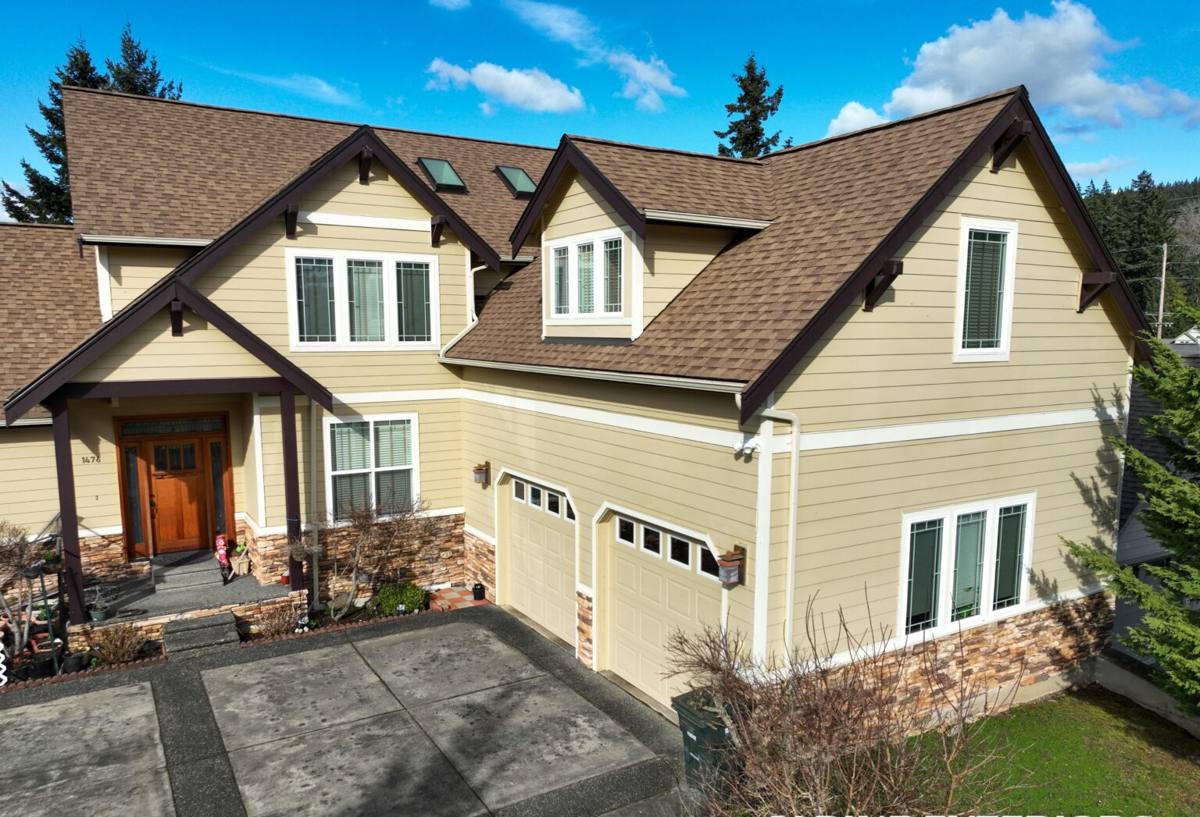
What New Tampa Homes Actually Need From Their Windows
Wind and Impact Performance
Florida's building code sets wind load and impact requirements based on location, and those requirements can vary by exact address, exposure, and home height — not just by city. We check the specific requirements for your property rather than assuming, but as a general rule, homes throughout the Tampa area benefit from windows rated to hold up against wind-driven debris and pressure changes during tropical systems, even when full hurricane-zone impact glass isn't strictly required. Cutting corners here is one of the more expensive mistakes a homeowner can make, because a failed window during a storm doesn't just mean broken glass — it means a building envelope breach that can take the roof structure and interior with it.
UV and Heat Resistance
Central Florida sun is relentless. Left unmanaged, UV exposure fades flooring and furniture, and heat gain drives up cooling costs in a house that's already running AC most of the year. Low-E coatings and the right glass package cut both problems without darkening the room or changing how the window looks from the street.
Moisture and Humidity Management
Gulf Coast humidity plus frequent wind-driven rain means flashing and sealant details matter more here than in drier climates. A window that's slightly out of level or under-flashed may not leak on day one — it leaks eighteen months later, after the sealant has had time to work loose from thermal cycling and storm pressure. By then the damage is usually inside the wall, not visible until it's already spread.
What a Correct Installation Actually Involves
Window installation looks simple from the outside — pull the old one, set the new one, caulk it. Done wrong, that sequence is exactly how leaks and failures start. Here's what we won't skip:
Removal and Opening Prep
Once the old window is out, we inspect the rough opening for rot, soft framing, or prior water damage before anything new goes in. Installing a new window into a compromised opening just hides a problem instead of fixing it.
Flashing and Weatherproofing
Flashing tape and pan flashing get installed in the correct order — bottom, sides, then top — so water is always directed outward and down, never trapped behind the window. This is the single most common thing we find missing or done backward on older installs, and it's the reason many "mystery leaks" in this region trace back to a window that looked fine for years before it didn't.
Setting, Shimming, and Fastening
The window has to be plumb, level, and square before it's fastened — not just close enough. Improper shimming puts stress on the frame that can crack corners, bind the sash, or create gaps that widen over time as the house settles and moves.
Insulation and Sealant
The gap between the frame and the rough opening gets properly insulated, not just caulked shut. Over-filling with the wrong material can actually bow the frame inward and cause operational problems immediately.
Interior and Exterior Finish
Trim, caulk lines, and any capping get finished cleanly, and we walk every window to confirm smooth operation and a tight seal before we consider the job done.
Choosing the Right Window for a New Tampa Home
There's no single "best" window — the right choice depends on your home's age, exposure, budget, and how long you plan to stay in the house. Here's how the common frame materials compare for this climate:
| Frame Material | How It Handles This Climate | Maintenance | General Cost Position |
|---|---|---|---|
| Vinyl | Good UV and moisture resistance; won't corrode from salt air; some expansion in extreme heat | Low — no painting or sealing needed | Budget to mid-range |
| Aluminum | Strong and slim profile, but more prone to salt-air corrosion over time without proper coatings; conducts heat | Moderate — hardware and finish need periodic attention | Mid-range |
| Fiberglass | Excellent stability in heat and UV, very low expansion/contraction, holds paint well | Low | Higher upfront, lower lifetime cost |
| Wood (clad) | Best appearance for some architectural styles, but the most vulnerable to humidity and requires the most upkeep | Highest — regular inspection and maintenance required | Higher |
For most New Tampa homes, vinyl and fiberglass frames offer the best balance of performance and upkeep given the heat, humidity, and UV load this area sees year-round. We'll talk through what fits your specific home rather than pushing one answer for every job.
Our Window Installation Process
- On-site assessment. We measure every opening individually — older homes especially are rarely perfectly square — and check the condition of the surrounding framing.
- Product selection. We go over frame material, glass package, and performance ratings based on your home's exposure and your budget, with no pressure toward the most expensive option.
- Permitting. Window replacement typically requires a permit through the local building department; we handle that paperwork so you don't have to chase it down.
- Installation day. Removal, opening inspection, flashing, setting, insulating, and finishing — done one window at a time so your home isn't left exposed longer than necessary.
- Final walkthrough. We test operation, check seals, and confirm the finish work with you before we call the job complete.
Signs Your New Tampa Home's Windows Need Attention
Windows rarely fail all at once — the warning signs usually show up gradually. Use this as a rough checklist:
- Fogging or moisture between panes of double-glazed glass (a sign the seal has failed)
- Difficulty opening, closing, or locking a window that used to operate smoothly
- Visible daylight or a noticeable draft around the frame
- Soft or discolored trim, drywall, or flooring near the window
- A noticeable rise in cooling costs with no other explanation
- Condensation on the interior glass during humid stretches
- Frames that feel warm to the touch on hot days, or hardware showing rust or pitting
Any one of these on its own isn't necessarily an emergency, but they're worth a professional look before the next storm season or the next big summer heat stretch.
What Drives the Cost of a Window Installation
Every home is different, so we don't quote sight-unseen — but these are the factors that move the price up or down on most jobs, from a low end of a few hundred dollars for a straightforward standard window to well over a thousand per opening for larger, impact-rated, or custom units:
| Factor | Why It Affects Cost |
|---|---|
| Window size and type | Larger openings, picture windows, and specialty shapes cost more in both materials and labor |
| Glass and impact rating | Impact-rated and Low-E glass packages cost more than standard glass but reduce storm and energy risk |
| Frame material | Vinyl is generally the most budget-friendly; fiberglass and wood clad run higher |
| Condition of the existing opening | Rot, prior water damage, or an out-of-square opening adds repair work before the new window can go in |
| Number of windows | Whole-house projects typically bring a better per-window rate than single replacements |
| Access and home height | Second-story or hard-to-reach windows take more time and equipment |
Why Hire a Crew That Already Works in New Tampa
A window installer who works this area regularly already knows the permitting process with the local building department, understands the wind and moisture demands of Hillsborough County, and has likely dealt with the mix of home ages found throughout New Tampa — from older established construction to newer builder-grade tract homes where the original windows were installed to a minimum spec rather than a long-lasting one. That local familiarity shows up in small but real ways: fewer surprises during permitting, a better sense of which products actually hold up here versus which ones look good on paper, and a crew that isn't learning the local climate's quirks on your project.
Some New Tampa communities also have HOA architectural guidelines that cover window appearance, grid patterns, or frame color — something worth checking before you order product, and something a local crew is used to navigating.
Get a Free, No-Pressure Estimate
If your windows are showing their age, costing you more on cooling bills than they should, or you just want a straight answer about what a proper installation would involve for your home, we're happy to take a look. Fill out the form below for a free estimate — no pressure, no pushy sales pitch, just an honest assessment of what your New Tampa home actually needs.